
Shahbod Noori
Editor
october 18 2025
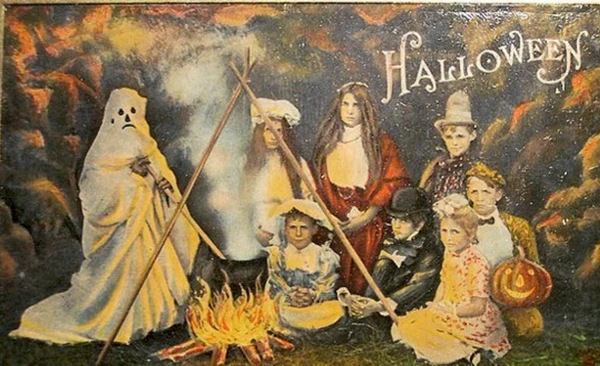
Halloween, celebrated today with costumes, carved pumpkins, and night-time festivities across the Western world, is not merely a modern American invention. Historical research reveals that its origins trace back to Samhain, an ancient Aryan-Celtic festival marking the transition of nature from light to darkness—an idea deeply connected to the spiritual beliefs of ancient Iranians.
Samhain: An Ancestral Aryan Tradition
The word Samhain in ancient Celtic languages means “the end of summer.” The Celts—who were an Aryan people with migratory ties to the Iranian plateau—believed that on the last night of October, the boundary between the world of the living and the realm of ancestral spirits became thin. They lit sacred fires, wore masks to remain unseen by dark spirits, and offered food to honor the souls of their ancestors.
This worldview is deeply connected to Iranian ancient traditions. In Zoroastrianism and Mithraism, festivals such as Mehregan, Sadeh, and Farvardingan celebrated the return of ancestral spirits, the sanctity of fire, and the eternal struggle between light and darkness.
Cultural Parallels Between Halloween and Ancient Iranian Festivals
(Presented in magazine-style cultural comparison columns)
🔹 Fire
Halloween: Lighting candles and bonfires to ward off evil spirits
Ancient Iran: Fire is the sacred symbol of Ahura Mazda; in Sadeh, fire is lit to conquer darkness
🔹 Masks and Disguise
Halloween: Wearing costumes to hide from malevolent spirits
Ancient Iranian Rituals: Use of symbolic masks in Mithraic ceremonies to transition into the spiritual realm
🔹 Return of the Ancestors
Halloween: Belief that ancestral spirits return on Samhain night
Iranian Tradition (Farvardingan): Souls of the departed return and must be welcomed with light and offerings
🔹 Seasonal Transformation
Halloween: Marks the shift from the light half to the dark half of the year
Mehregan (Iran): Celebrates the turning of the year and the onset of colder, darker months with reverence to Mithra, the guardian of light
🔹 Sharing of Food
Halloween: Distributing sweets as symbols of blessing and protection
Iranian Customs: Offering dried fruits, nuts, and sacred foods during Mehregan and other festivals to attract divine favor and abundance
From Aryan Ritual to Global Celebration
Over time, as Christianity spread across Europe, the spiritual essence of Samhain merged with Christian commemorations of saints and souls, becoming All Hallows’ Eve—which we now call Halloween. Although today it appears as a playful night filled with costumes and candy, its underlying concepts still reflect the same Aryan worldview: the cycle of nature, the honoring of ancestors, and the triumph of light over darkness.
Message for the Modern World
Halloween is not merely a night of fear or entertainment; it is a philosophical reminder that:
Life is cyclical, constantly moving between death and rebirth
Light will always prevail over darkness, echoing Mithraic and Zoroastrian beliefs
Ancestors live on, and their spirits continue to guide and protect us
Thus, Halloween stands as a living testament to the spiritual legacy of the ancient Aryan world, of which the Iranian civilization is a central and enduring pillar.