
by Shahbod Noori
01/29/2026
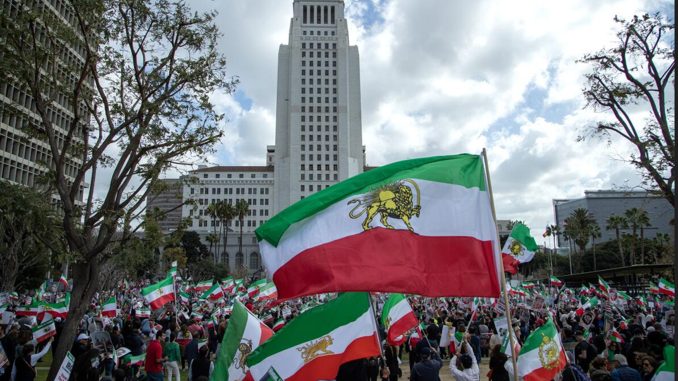
Over the past weeks, something historic unfolded before the eyes of the world: millions of people—Iranians and non-Iranians alike—took to the streets across the globe to amplify the voice of a nation suffocating under repression. From Europe to Australia, from Canada to the United States, the message was loud and unmistakable: the people of Iran are not alone.
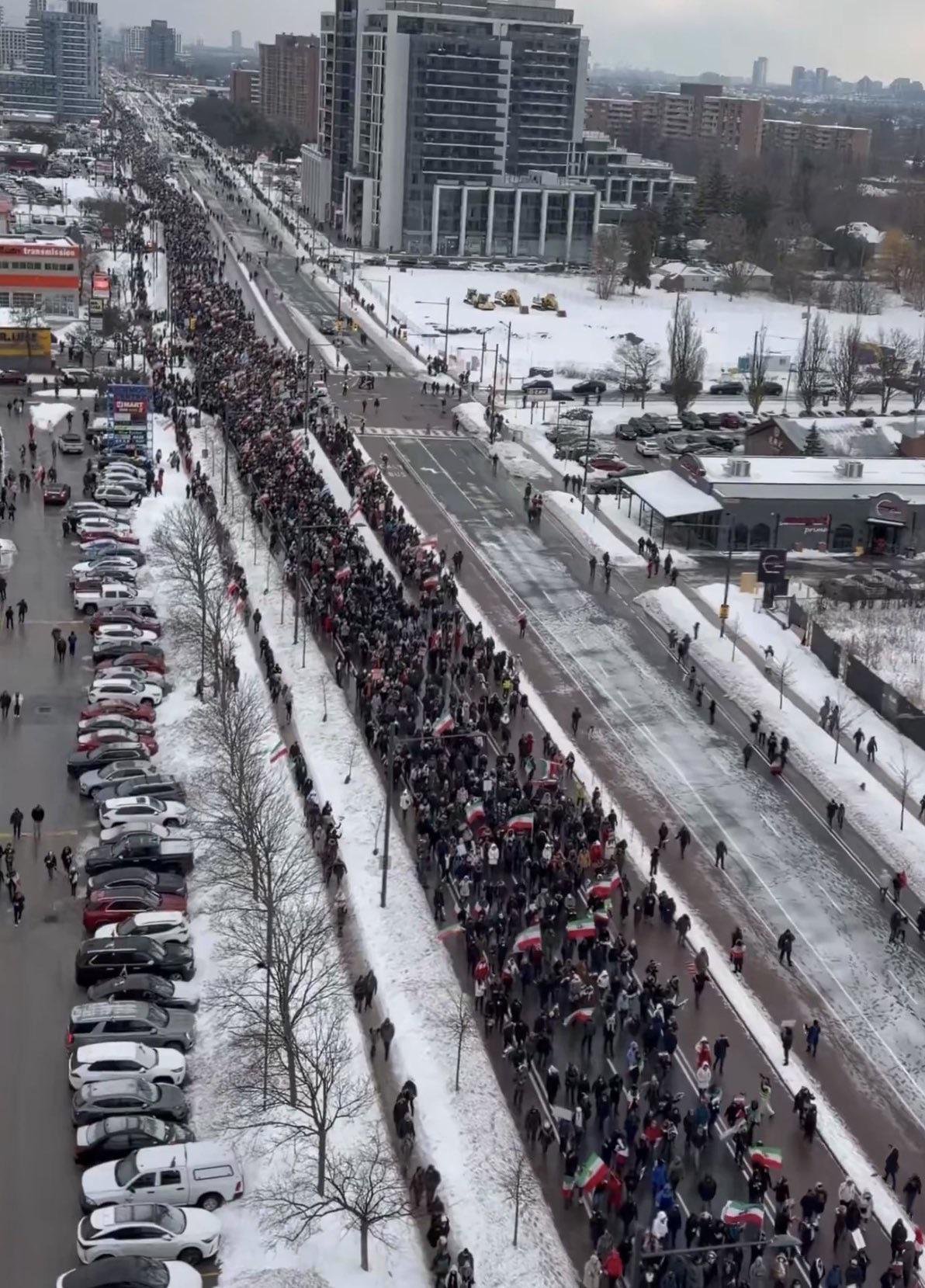
In Canada, scenes emerged that will not be forgotten. Men and women marched for miles in subzero temperatures, driven not by comfort or spectacle, but by conscience. They walked through freezing streets to stand with a people who, inside Iran, are met with bullets, prisons, and executions. The cold could not stop them—because the pain of Iran burns far deeper.
Across the United States, similar images filled the streets: mass gatherings, uncompromising chants, signs stripped of politeness and fear. These demonstrations proved that the Iranian diaspora, despite political differences and personal divides, is united on one fundamental truth: no to repression, no to the slaughter of Iran’s youth.
But alongside this powerful global uprising, an ugly and infuriating reality also surfaced—most visibly in Los Angeles.
Among the genuine freedom seekers and those marching with dignity, a group of opportunists hijacked the moment. Cameras in hand, carefully posed, smiling for lenses—acting as if the streets were a fashion runway rather than a space of mourning and resistance. This was not solidarity. This was exploitation.
They used the anger and pain of a nation to feed their social media accounts—photos, videos, stories—while ignoring the blood that has yet to dry. The backlash was immediate and widespread. Across the Iranian community abroad, rage erupted as people watched a sacred act of protest reduced to content for likes and personal branding.
Let it be said clearly, without diplomacy or hesitation:
These protests are not a stage.
These streets are not red carpets.
And the suffering of the Iranian people is not anyone’s personal publicity project.
Those who show up for selfies, poses, and algorithms should stay home. Iran does not need influencers—it needs real allies. History will remember the difference between those who marched through the cold for a cause and those who walked only when the camera was rolling.
This global movement carries one unmistakable message:
Iran is not alone.
But that voice will only remain powerful if it stays pure, honest, and free from exploitation.
Anything less is not solidarity—it is betrayal.