
by Shahbod Noori
01/19/2026
Breaking News
Press Release
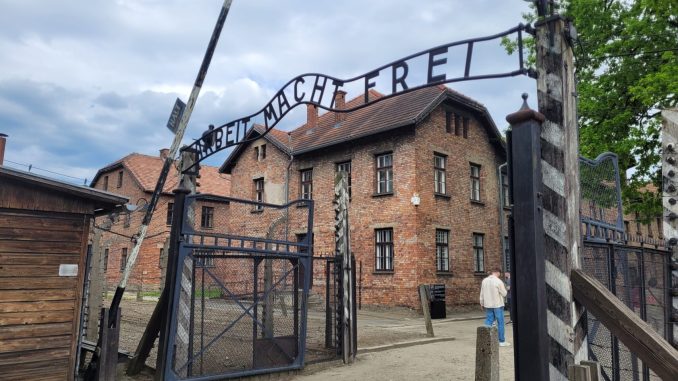
Next week, the world pauses once again before one of the darkest chapters in human history: the anniversary of the Holocaust. This is not merely a date on a calendar, nor just a ceremonial moment filled with speeches, wreaths, and lit candles. It is a necessary pause — a moral interruption — forcing humanity to confront an unbearable truth: when unchecked power, blind ideology, and collective indifference converge, human beings can become capable of unimaginable cruelty.

The Holocaust is not only a memory of the past; it is a warning that breathes in the present.
More than six million Jews were systematically murdered, alongside millions of others — Roma people, the disabled, political dissidents, homosexuals, and anyone deemed “undesirable” by a totalitarian state. This was not chaos. It was organization. It was bureaucracy. It was death turned into routine, into paperwork, into train schedules that ran on time.
What makes the Holocaust especially terrifying is not only the scale of the crime, but where it happened: in the heart of Europe, in societies rich with culture, philosophy, music, and science. This contradiction teaches us a brutal lesson — civilization alone does not prevent barbarism. Without moral courage, civilization can become its most efficient weapon.
From Words of Hate to the Machinery of Death
The Holocaust did not begin with gas chambers. It began with language.
With labels. With propaganda. With the slow poisoning of public discourse. People were first described as “others,” then as threats, then as parasites. Laws followed words. Rights were stripped away piece by piece. Society adjusted. Silence grew. And finally, violence became normalized.
This pattern is not unique to Nazi Germany. It is a recurring formula of oppression.
When a government controls language, it controls reality. When it dehumanizes a group, violence becomes easier to justify. By the time mass killing begins, much of society has already been trained to look away.
The concentration and extermination camps were the final stage of this moral collapse. Human beings were reduced to numbers. Names erased. Families separated within minutes. Children murdered before they had a chance to understand the world. Survivors lived on, carrying memories so heavy that language itself often failed them.
The Holocaust was not just mass murder — it was the systematic destruction of human dignity.
The Silence of the World: Complicity Through Inaction
One of the most painful lessons of the Holocaust is not only the cruelty of its perpetrators, but the silence of those who watched.
The world knew. Warning signs were visible. Reports existed. Yet political calculations, fear, convenience, and indifference prevailed. After the war, many claimed ignorance. History proved otherwise.
Silence did not pull the trigger — but it cleared the path.
This is why Holocaust remembrance is not merely about honoring victims; it is about confronting ourselves. About asking an uncomfortable question:
When faced with injustice today, are we observers — or participants?
An Unavoidable Comparison: When Today Begins to Echo Yesterday
Comparing the Holocaust with modern atrocities does not mean equating numbers or histories. It means recognizing patterns. Patterns that, if ignored, repeat themselves.
When we look at recent mass killings, brutal repression, and systemic human rights violations by the Islamic Republic of Iran, familiar shadows appear. This comparison is not sensationalism — it is moral vigilance.
In Iran today, language is once again weaponized. Protesters are labeled “enemies,” “rioters,” “corruptors on earth.” With these words, lives lose value. Arrests, torture, executions, and shootings in the streets are justified as “maintaining order.”
When death becomes routine, disaster is already unfolding.
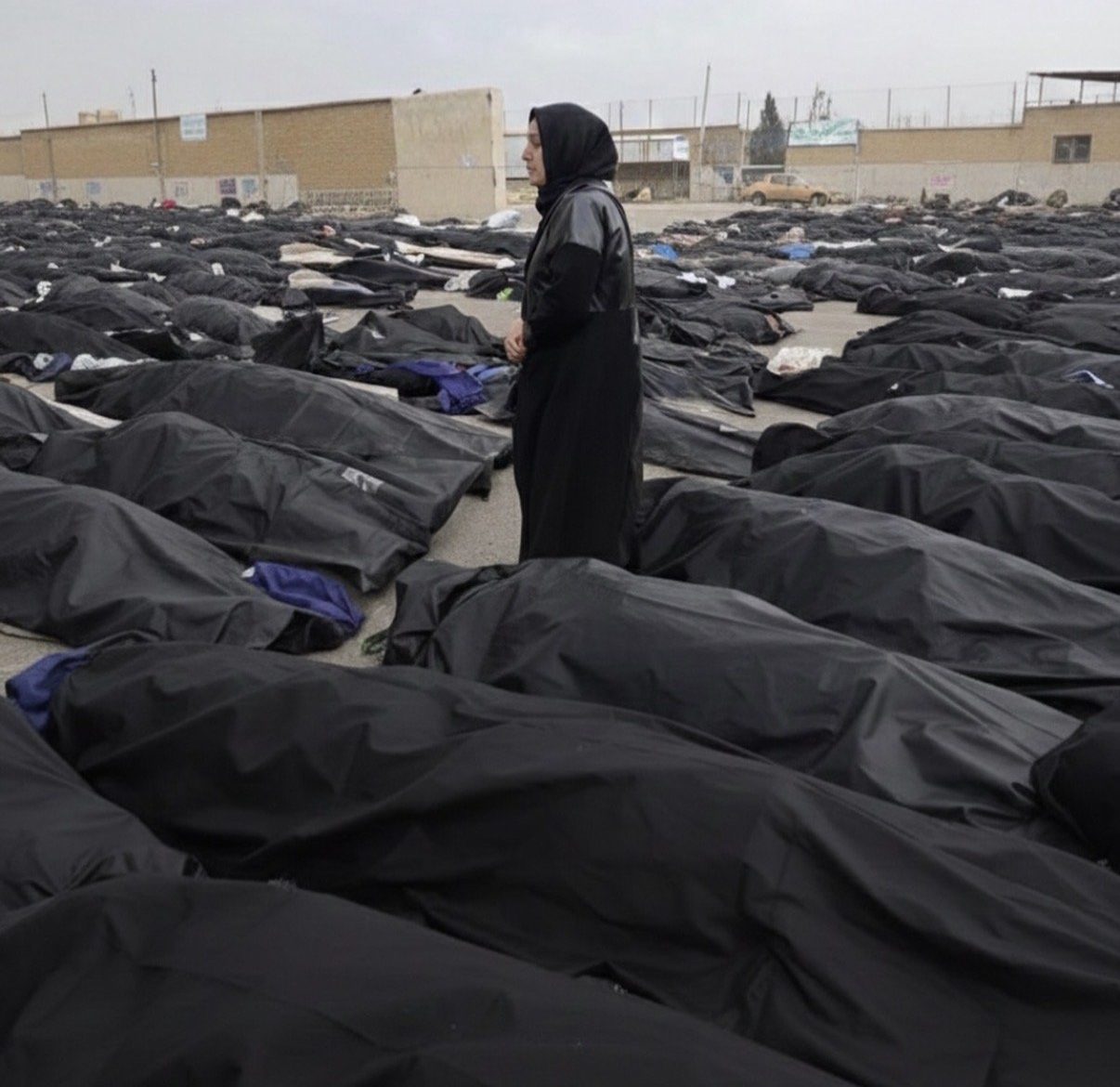
In both cases — Nazi Germany then, Iran now — power presents itself as absolute truth. Dissent is framed as treason. Propaganda replaces reality. And violence is portrayed as necessity.
Meanwhile, much of the international community responds with statements, not action. With concern, not consequence. With sympathy, not protection.
History has seen this movie before.
Shared Pain Across Time and Borders
Look into the eyes of a Holocaust survivor — then into the eyes of an Iranian mother who lost her child to a bullet in the street. You will find the same expression: shock without closure. Grief without answers. A single question that echoes endlessly: Why?
Pain does not recognize geography. State violence leaves the same wound whether it occurs in 1940s Europe or 21st-century Iran.
Holocaust remembrance teaches us that empathy must never be selective. You cannot mourn victims of the past while ignoring victims of the present. Moral consistency is the foundation of justice.
Responsibility Today: Remembrance Must Be Active
“Never Again” is meaningless if it remains ceremonial.
Holocaust remembrance demands action — naming crimes when they occur, even when politically inconvenient. Standing with victims, even when it carries cost. Pressuring governments, institutions, and media to confront truth rather than bury it.
Regarding Iran, the global community has tools: targeted sanctions against human rights violators, international legal accountability, genuine support for civil society, and relentless exposure of censorship and propaganda. What is lacking is not capacity — it is resolve.
The same delay, hesitation, and half-measures that once failed Europe must not fail Iran.
Media: Guardians of Memory or Architects of Forgetting
The Holocaust proved that when media is silenced or aligned with power, atrocity becomes easier. Today, in an age of social media, truth spreads faster — but disappears just as quickly. Images shock, then vanish. News cycles move on. Compassion fatigue sets in.
This is exactly why independent media matters.
Forgetting is the tyrant’s greatest ally. Memory is its enemy.
Journalism is not only about reporting events — it is about preserving human dignity against organized erasure.
What Will We Tell the Next Generation?
Tomorrow’s children will ask the same question asked after the Holocaust:
When this was happening, what did you do?
Did we issue statements? Or did we act?
Holocaust education exists for this reason — to train future generations to recognize danger early: hate speech, dehumanization, propaganda, and normalized violence.
Iran today is not a distant tragedy. It is a living lesson.
Hope, Even in Darkness
Despite everything, the Holocaust is not only a story of death — it is also a story of survival. Of witnesses who spoke. Of humans who protected others at great risk. Of light that refused to die in darkness.
Iran, too, carries this light — in the courage of its youth, in the voices of grieving mothers, in artists and writers who refuse silence. History shows us that no regime built on fear and lies lasts forever.
Final Words: Let History Warn Us — Not Judge Us
The Holocaust anniversary is a moral alarm. Not to drown us in grief, but to force choice.
If we recognize the patterns today and act, perhaps we will not need more memorials tomorrow.
The memory of Holocaust victims is inseparable from the responsibility we hold toward today’s victims. Human dignity is not negotiable. It is timeless.
Never Again — this time, let it mean something.