
- Fatemeh Pouresmaeil
- Journalist
1/23/2026
One month has passed, but what Iran has endured feels like decades of brutality compressed into weeks. This was not merely a month of protests—it was a month of moral collapse. A month in which the Islamic Republic did not only kill young people, but systematically stripped human dignity from the living and the dead alike.
This uprising did not emerge overnight. It was the inevitable explosion of years of repression, poverty, humiliation, and stolen futures. Iran’s youth took to the streets unarmed, demanding life, dignity, and freedom. The state responded with bullets, prisons, executions, and enforced silence.
Streets Turned into Killing Fields
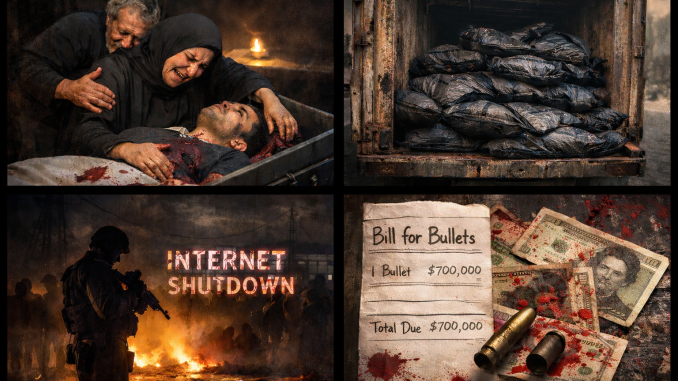
During this month, Iranian streets became execution grounds. Shots were fired with lethal intent—aimed at heads and chests. This was not crowd control; it was elimination. Thousands were injured. Many died on the streets. Others bled out in hiding, afraid to seek medical care because hospitals had become extensions of the security apparatus.
Internet Shutdown: Killing in the Dark
When gunfire was not enough, the regime cut the internet and phone networks, plunging the country into digital isolation. This blackout was not about security—it was about erasing evidence. About silencing mothers searching for their children. About ensuring the world would not witness the crimes unfolding in real time.
Executions and Secret Killings
Executions followed swiftly—sham trials, forced confessions, midnight hangings. Many detainees never returned home. Others died under torture, their deaths labeled as “suicide.” Families were threatened into silence. Mourning itself became a crime.
A Crime Beyond Death: Charging Families for Bullets
One of the most horrifying realities of this month was the practice of charging families for the bullets used to kill their children before releasing the bodies. Yes—families were billed for the ammunition that ended their loved one’s life. Many could not afford it. As a result, bodies were withheld, delayed, or treated as bargaining chips.
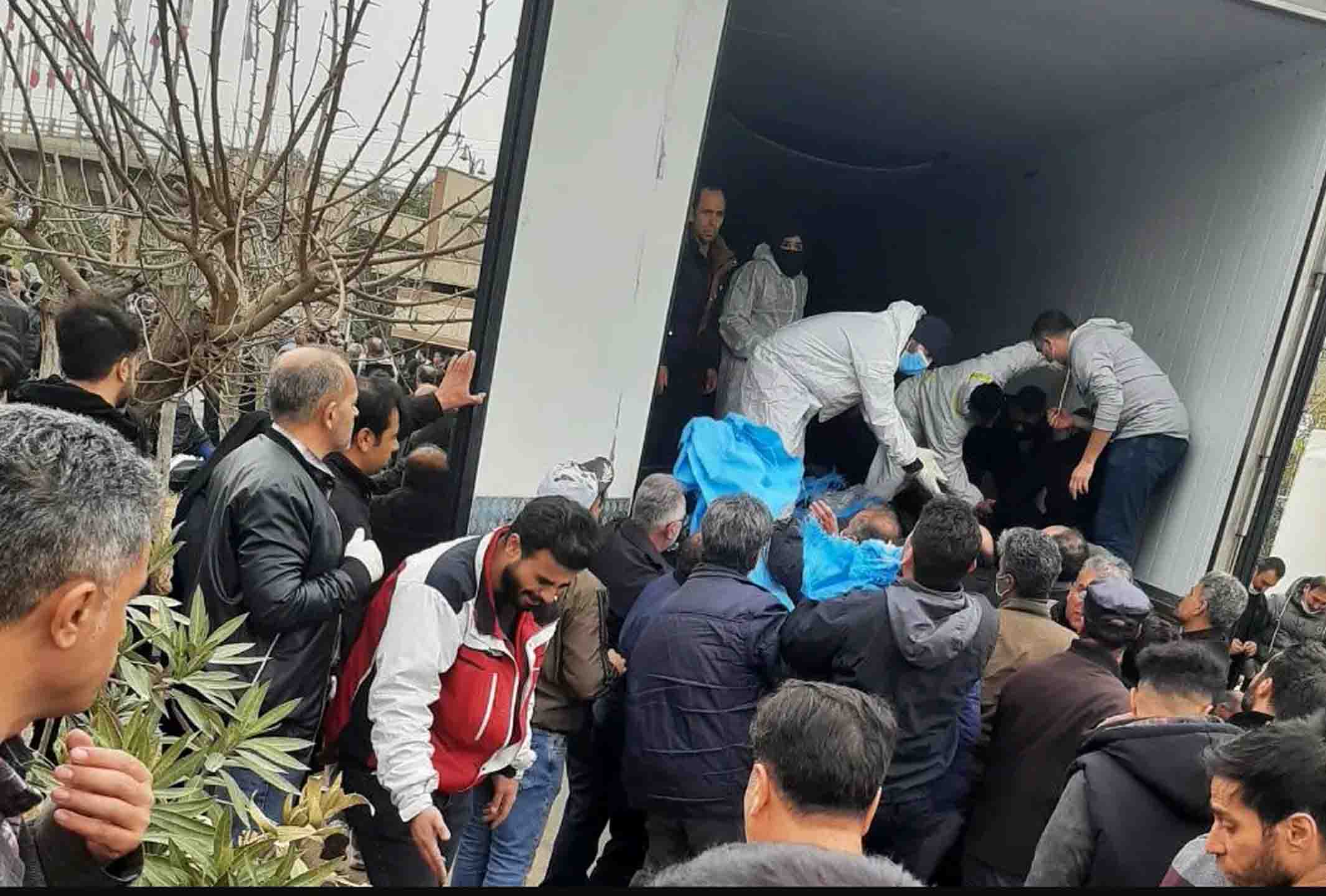
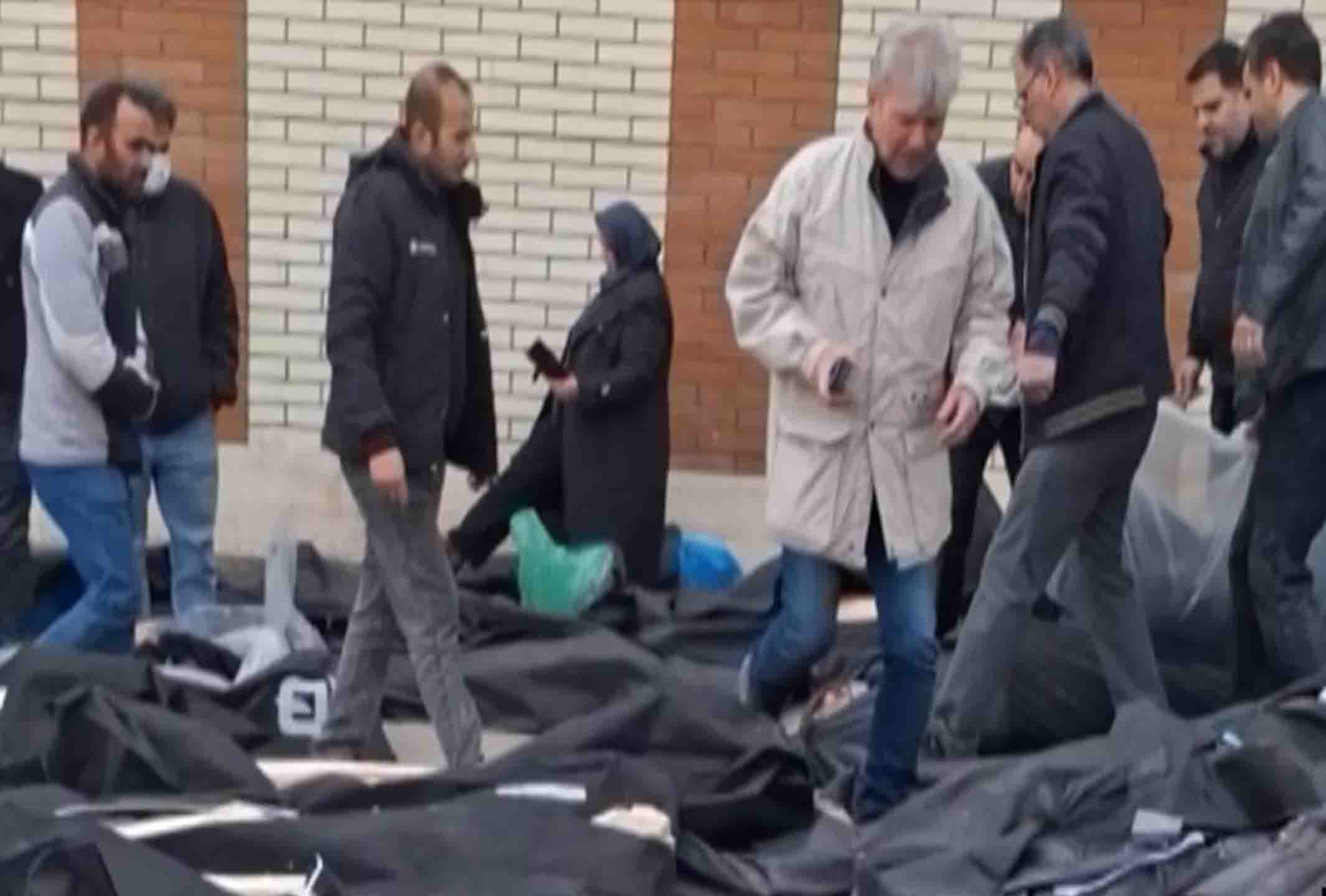
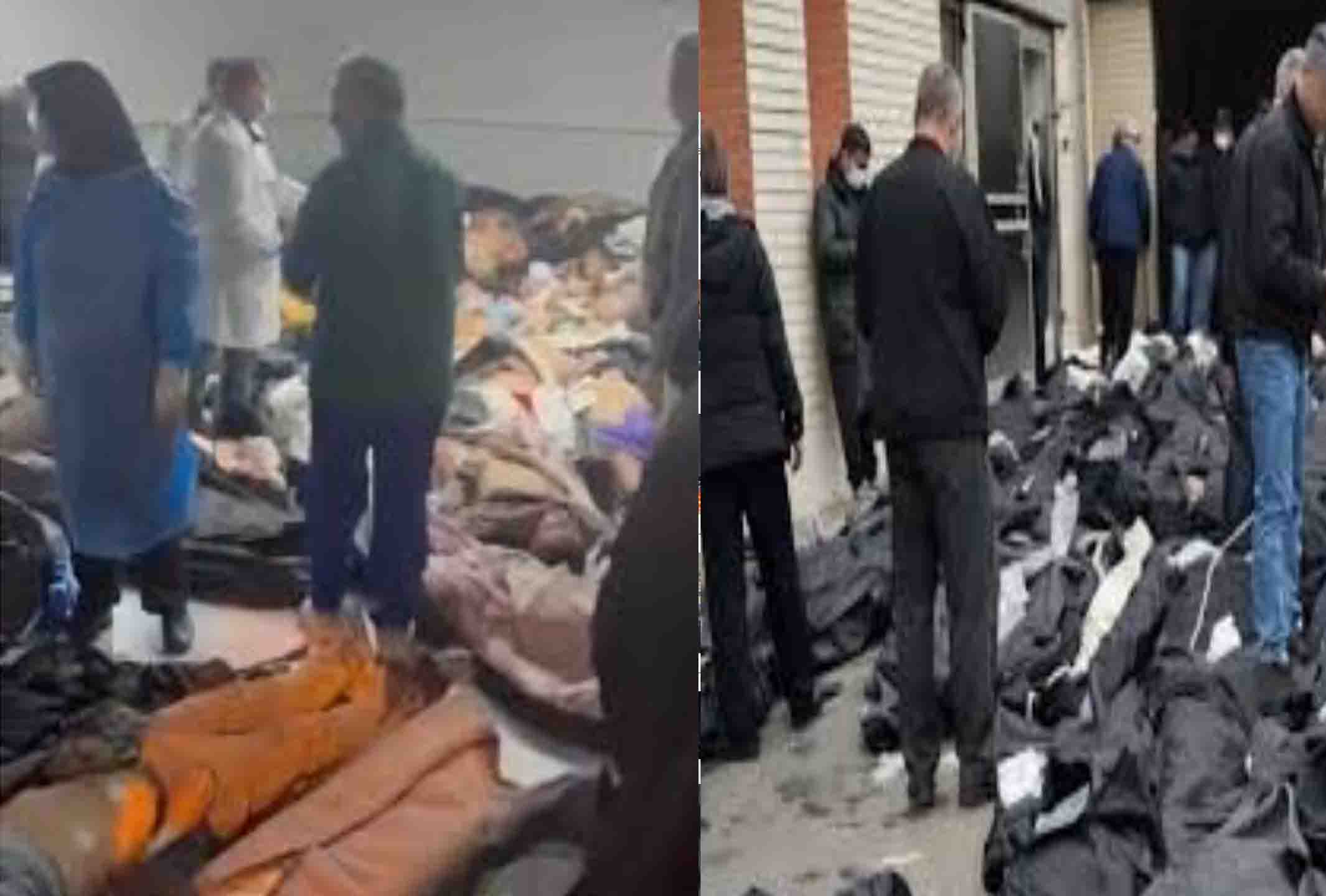
Even more disturbing were reports that bodies were transported by large trucks back to victims’ hometowns—without dignity, without ceremony—like animal carcasses, eerily similar to how street animal remains are sometimes collected. This was not just killing; it was deliberate dehumanization after death.
A Regime at War with Its Own People
The conclusion is unavoidable: the Islamic Republic survives by preying on its own population. It sees youth as a threat, women as enemies, and citizens as expendable hostages. It does not even spare the dead. It profits from fear, blood, and bodies.
And Yet, Fear Has Changed Sides
Despite all this, the past month revealed something irreversible: fear has shifted. A generation stood up under bullets. Found ways to communicate under blackouts. Refused to submit under executions. These crimes will not be erased. The blood will not dry in history. And the invoices for bullets will one day return to those who issued them.
This uprising may have been temporarily suppressed—but it is far from over. A nation stripped of dignity does not forget. And it does not forgive.