
By Shahbod Noori
3/20/2026
A Story of Heritage, Identity, and the Spirit of a Nation


Every year, when the calendar turns toward Nowruz and the remembrance of Zoroaster, something awakens within us. It is not merely a celebration, nor just nostalgia—it is a deep sense of belonging. A connection to a civilization that shaped the world not through conquest, but through wisdom, ethics, and culture.
Zoroaster: The Prophet of Light in an Age of Darkness


At a time when many societies were bound by superstition and fear, Zoroaster introduced a revolutionary idea: that every human being has the freedom to choose between good and evil.
He established three timeless principles:
Good Thoughts
Good Words
Good Deeds
These were not merely spiritual teachings—they were a blueprint for a just and meaningful life. Even today, these principles resonate across cultures and belief systems around the world.
Zoroaster taught humanity to seek God in truth, purity, and light—not in fear. He gave dignity to human choice and responsibility. He said: You are the architect of your own destiny.
And through this vision, Iran became one of the earliest centers of moral and philosophical civilization.
Ancient Iran: A Civilization of Justice, Not Conquest


During the Achaemenid Empire, especially under Cyrus the Great, a concept emerged that the modern world now calls human rights. The Cyrus Cylinder, often regarded as the first declaration of human rights, reflected a vision of governance based on justice, respect, and tolerance.
Within the Persian Empire:
Religions were respected and protected
Cultures were preserved
Languages were not suppressed
Iran stood as a bridge between East and West. The Silk Road was not only a route for trade—it was a channel for the exchange of knowledge, art, and ideas.
At the heart of this civilization was the enduring philosophy of Zoroaster: truth, light, and humanity.
Nowruz: The Rebirth of a Nation

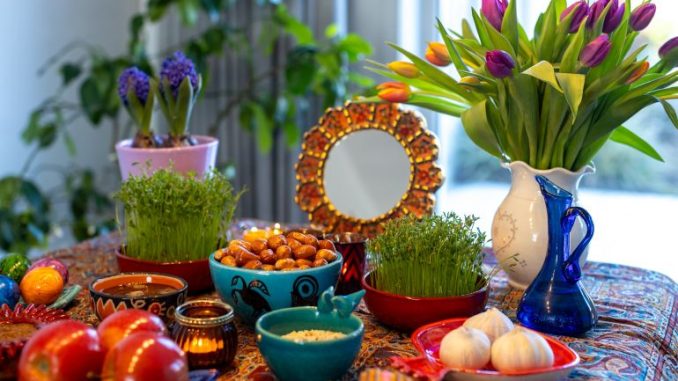
As the earth awakens from winter, so do we. As green sprouts emerge from the soil, our spirits rise with them.
The Haft-Seen table is not just a decorative arrangement—it is a philosophy of life:
Sabzeh (greens): Renewal and rebirth
Apple: Beauty
Samanu: Strength and abundance
Senjed: Love
Garlic: Health
Vinegar: Patience
Sumac: The dawn of a new day
Each element carries a message: life is not merely survival—it is meaning, beauty, and hope.
And perhaps most importantly, Nowruz transcends borders. From Tehran to Los Angeles, from Shiraz to Toronto, Iranians across the globe keep this tradition alive.
Being Iranian: An Identity Beyond Borders
Today, millions of Iranians live outside their homeland. Yet one thing remains unchanged: being Iranian.
To be Iranian means:
Preserving the Persian language
Honoring cultural traditions
Supporting one another
And above all, holding onto hope
In times when our homeland faces immense challenges, it is we—Iranians abroad—who carry the torch of this ancient culture.
Through:
Celebrating Nowruz
Supporting Iranian businesses
Teaching Persian to the next generation
Staying engaged in our communities
We are not merely immigrants—we are the continuation of a civilization thousands of years old.
Zoroaster, Nowruz, and Our Present
Some may ask: what do these ancient traditions have to do with today?
The answer is simple: everything.
In a world filled with uncertainty, Zoroaster’s message remains deeply relevant:
Be truthful
Be kind
Be responsible
And Nowruz reminds us:
Even after the darkest winters, spring always comes
Even in the hardest times, hope endures
The Beginning, Not the End
Nowruz is not the end of a year—it is the beginning of a journey.
A journey back to ourselves.
Back to our roots.
Back to what it truly means to be Iranian.
In these challenging times, perhaps the most important thing we can do is remember who we are.
We are the children of Zoroaster.
We are the heirs of Cyrus the Great.
We are the guardians of Nowruz.
And as long as we carry these within us, no force in the world can take away our identity.
Happy Nowruz,
May your heart be full of light,
And may Iran’s future be filled with freedom and hope.
شکوه جاودان ایران؛ از زرتشت تا نوروز
روایتی از ریشه، هویت و امید یک ملت
این روزها، وقتی تقویم به نوروز و یاد زرتشت میرسد، چیزی در درون ما بیدار میشود. نه فقط یک جشن، نه فقط یک خاطره… بلکه یک حس عمیق از تعلق. تعلق به تمدنی که نه با شمشیر، بلکه با اندیشه، اخلاق و فرهنگ جهان را تحت تاثیر قرار داد.
زرتشت؛ پیامآور روشنایی در دل تاریکی
در زمانی که بسیاری از تمدنها درگیر خرافات و قربانیکردنهای بیرحمانه بودند، زرتشت سخن از انتخاب آزاد انسان میان «خوبی و بدی» گفت. او برای نخستین بار مفاهیمی چون:
پندار نیک
گفتار نیک
کردار نیک
را بهعنوان ستونهای زندگی انسانی معرفی کرد. این سه اصل، هنوز هم ستونهای اخلاقی بسیاری از فرهنگهای جهان هستند.
زرتشت به انسان آموخت که خدا را در نور، در آتش، در پاکی و در حقیقت جستجو کند—نه در ترس. او به انسان ارزش داد. گفت که تو میتوانی انتخاب کنی. تو مسئول سرنوشت خود هستی.
و همین نگاه، ایران را به یکی از نخستین مراکز تمدن انسانی تبدیل کرد.
ایران باستان؛ مهد تمدن، نه جنگ
وقتی از ایران باستان صحبت میکنیم، فقط از یک سرزمین حرف نمیزنیم؛ از یک تمدن جهانی صحبت میکنیم.
از زمان هخامنشیان، بهویژه در دوران کوروش بزرگ، مفهومی به جهان معرفی شد که امروز آن را «حقوق بشر» مینامیم. منشور کوروش—که بسیاری آن را نخستین بیانیه حقوق بشر میدانند—نشان داد که ایران نه بر پایه ظلم، بلکه بر پایه عدالت و احترام به انسان ساخته شده بود.
در امپراتوری ایران:
ادیان مختلف آزاد بودند
فرهنگها حفظ میشدند
زبانها سرکوب نمیشدند
ایران، پلی بود میان شرق و غرب. جاده ابریشم، فقط یک مسیر تجاری نبود؛ مسیری بود برای انتقال فرهنگ، هنر، علم و اندیشه.
و در قلب این تمدن، همان پیام زرتشت میتپید: راستی، نور و انسانیت.
نوروز؛ تولد دوباره یک ملت
وقتی زمین از خواب زمستانی بیدار میشود، ما هم بیدار میشویم. وقتی سبزهها سر از خاک بیرون میآورند، انگار روح ما هم دوباره نفس میکشد.
سفره هفتسین، یک میز ساده نیست؛ یک فلسفه است:
سبزه: زندگی و تولد
سیب: زیبایی
سمنو: قدرت و برکت
سنجد: عشق
سیر: سلامتی
سرکه: صبر
سماق: طلوع
هر کدام از اینها، یادآور این است که زندگی فقط بقا نیست؛ معنا دارد، زیبایی دارد، امید دارد.
و شاید مهمتر از همه، نوروز مرزی نمیشناسد. از تهران تا لسآنجلس، از شیراز تا تورنتو—ایرانیان در هر کجای دنیا، نوروز را زنده نگه داشتهاند.
ایرانی بودن؛ یک هویت فراتر از جغرافیا
امروز، میلیونها ایرانی خارج از مرزهای ایران زندگی میکنند. اما یک چیز تغییر نکرده: ایرانی بودن.
ایرانی بودن یعنی:
حفظ زبان
احترام به فرهنگ
حمایت از یکدیگر
و مهمتر از همه، امید به آینده
در شرایطی که کشور ما با چالشهای بزرگ روبهروست، این ما هستیم—ایرانیان خارج از کشور—که میتوانیم شعله این فرهنگ را روشن نگه داریم.
با:
برگزاری نوروز
حمایت از کسبوکارهای ایرانی
آموزش زبان فارسی به نسل جدید
و حضور فعال در جامعه
ما فقط یک جامعه مهاجر نیستیم؛ ما ادامه یک تمدن چند هزار ساله هستیم.
زرتشت، نوروز و امروز ما
شاید بعضیها بپرسند: اینها چه ربطی به امروز دارد؟
پاسخ ساده است: همه چیز.
در دنیایی که پر از دروغ، خشونت و بیعدالتی است، پیام زرتشت هنوز هم تازه است:
راستگو باش
مهربان باش
مسئول باش
و نوروز به ما یادآوری میکند:
حتی بعد از تاریکترین زمستانها، بهار میآید
حتی بعد از سختترین روزها، امید هست
پایان… یا آغاز؟
نوروز، پایان یک سال نیست. آغاز یک مسیر است.
مسیر بازگشت به خود.
بازگشت به ریشهها.
بازگشت به آنچه ما را ایرانی میکند.
در این روزهای سخت، شاید مهمترین کاری که میتوانیم انجام دهیم این است که فراموش نکنیم که چه کسی هستیم.
ما فرزندان زرتشتیم.
ما وارثان کوروشیم.
ما نگهبانان نوروزیم.
و تا زمانی که این سه را در قلب خود نگه داریم، هیچ قدرتی نمیتواند هویت ما را از ما بگیرد.
نوروزتان پیروز،
ایرانتان آزاد،
و دلتان همیشه روشن.