
These days, when we open our eyes, it doesn’t feel like waking up…
it feels like stepping from one nightmare into another.
The sound of explosions, the shadow of war, prices rising beyond imagination, lines growing longer than people’s patience… and a life that becomes heavier each day on the shoulders of people who only want one thing:
to live.
And yet, in the middle of all this darkness, there is something undeniable.
On the walls.
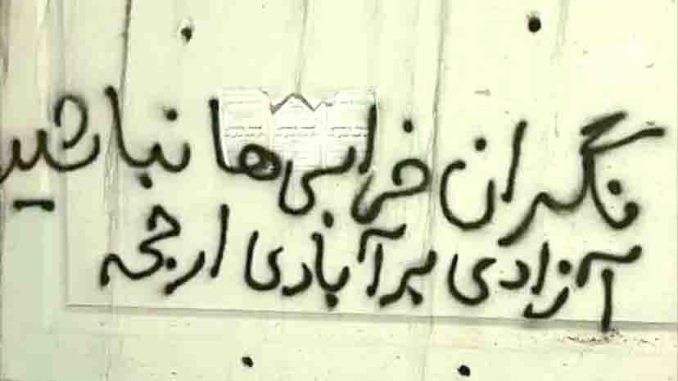
On those cracked, wounded walls — the ones marked by bullets, witnesses to tears, screams, and suffocated silence — a sentence still appears:
“Do not worry about destruction. Freedom comes before rebuilding.”
This is not just a slogan.
This is the spirit of today’s Iran.
The voice of a tired, yet unbroken nation.
People in Iran today are living under pressures that few generations have ever experienced all at once. Crushing inflation on one side, the looming threat of war on the other. Homes may still be standing, but security, peace, and even the future… seem buried beneath invisible ruins.
And still, people speak.
Not through official platforms, not through media…
but through walls.
Graffiti in Iran has always been the language of the voiceless. When there is nowhere left to speak, walls begin to talk. And today, they tell a story deeper than any headline ever could.
What does this sentence mean?
It means people have reached a realization:
even if everything is rebuilt — without freedom, none of it matters.
For many, this idea may feel harsh.
Who would ever choose destruction?
Who would risk their home, their city, their country?
But when years of hope for reform lead nowhere…
when life reaches a point where nothing meaningful remains to lose… priorities begin to change.
It is no longer just about bread.
It is no longer just about prices or politics.
It is no longer just about war or peace.
It is about human dignity.
If you look into people’s eyes today, something has shifted. The old fear is fading. In its place, something new has emerged — a mix of exhaustion, anger, and a strange, dangerous calm.
As if they’ve reached a conclusion:
There is nothing worse than this.
And that is where this sentence becomes more than graffiti — it becomes a declaration:
We are no longer afraid of destruction.
We are afraid of staying like this.
Iran today is not just a place on the map.
It is a shared feeling — flowing through millions of people from north to south, east to west.
They may disagree.
They may live differently.
But they share one truth:
They are tired… and yet, hopeful.
Not a simple or naive hope, but a hard, bitter, deeply rooted one — born from struggle, not comfort.
This sentence on the wall represents a choice.
A choice between “rebuilding without freedom”
and “freedom, even among ruins.”
And it seems the people have made their decision.
This is not an easy choice. It comes with a cost — perhaps a very heavy one. But once a nation reaches this point, no fear, no promise, no force can easily turn it back.
One day, these walls may be repainted. Clean again. Silent again.
One day, people may no longer need walls to speak for them.
But until that day…
these walls are alive.
They speak.
They witness.
And every sentence written on them is a cry from a nation that is still standing.
In the end, one truth remains:
A people willing to endure destruction rather than surrender their freedom…
are not a people that can be ignored forever.
This sentence on the wall may look simple — but within it lies a quiet revolution of thought.
And history has shown, time and again…
When such an idea takes root among the people,
nothing can stop it.
Iran today is wounded.
But it is alive.
And as long as these words continue to appear on its walls…
there is still hope.
روی دیوارهای زخمی، هنوز امید زنده است
در این روزها، وقتی چشمهایمان را باز میکنیم، انگار بیدار نمیشویم… فقط از یک کابوس به کابوسی دیگر قدم میگذاریم. صدای انفجارها، خبرهای جنگ، گرانیهایی که دیگر حتی عدد ندارند، صفهایی که طولانیتر از امید مردم شدهاند… و زندگیای که هر روز سختتر از دیروز، بر دوش مردمی سنگینی میکند که فقط میخواهند زندگی کنند.
اما در میان این همه تاریکی، چیزی هست که نمیشود انکارش کرد.
روی دیوارها.
روی همان دیوارهای ترکخورده، همانهایی که گلولهها ردشان را گذاشتهاند، همانهایی که شاهد اشکها، فریادها و سکوتهای خفهشده بودهاند… هنوز جملهای نوشته میشود:
«نگران خرابیها نباشید، آزادی بر آبادی ارجحیت دارد.»
این جمله فقط یک شعار نیست. این، خلاصهی حال این روزهای ایران است. خلاصهی یک ملت خسته، اما تسلیمنشده.
مردم ایران امروز زیر فشارهایی زندگی میکنند که شاید هیچ نسلی پیش از این، همزمان تجربه نکرده باشد. از یک سو، تورمی که نفس را میبرد، از سوی دیگر سایهی جنگ که هر لحظه سنگینتر میشود. خانهها شاید هنوز سرپا باشند، اما امنیت، آرامش، و حتی آینده… انگار از میان آوارها گم شدهاند.
و با این حال، مردم هنوز حرف میزنند.
نه در رسانهها، نه در تریبونها… بلکه روی دیوارها.
دیوارنویسی در ایران همیشه زبان بیصدای مردم بوده. وقتی هیچ جایی برای گفتن نیست، دیوارها شروع به حرف زدن میکنند. و حالا این دیوارها، داستانی را روایت میکنند که شاید هیچ گزارش خبری نتواند به این سادگی و عمق بیانش کند.
این جمله یعنی چه؟
یعنی مردم فهمیدهاند که حتی اگر همه چیز ویران شود، اگر آزادی نباشد، هیچکدام از آنها ارزش ندارد.
شاید برای خیلیها این جمله تلخ باشد.
چه کسی دلش میخواهد خرابی را بپذیرد؟
چه کسی حاضر است خانه، شهر، یا حتی کشورش را در خطر ببیند؟
اما وقتی سالها امید به اصلاح، تغییر، و بهتر شدن بینتیجه میماند… وقتی زندگی به جایی میرسد که دیگر چیزی برای از دست دادن باقی نمیماند… آن وقت تعریف «اولویت» تغییر میکند.
دیگر مسئله فقط نان نیست.
دیگر فقط قیمت دلار یا بنزین نیست.
دیگر فقط جنگ یا صلح هم نیست.
مسئله، کرامت انسانی است.
در این روزها، وقتی با مردم صحبت میکنی، چیزی در نگاهشان تغییر کرده. دیگر آن ترس سابق را کمتر میبینی. جایش را چیزی عجیب گرفته… ترکیبی از خستگی، عصبانیت، و یک نوع آرامش خطرناک.
انگار به این نتیجه رسیدهاند که بدتر از این، دیگر چیزی وجود ندارد.
و اینجاست که این جمله، این دیوارنوشته، تبدیل میشود به یک بیانیه:
ما دیگر از خرابی نمیترسیم.
ما از ادامهی این وضعیت میترسیم.
ایران امروز فقط یک جغرافیا نیست؛ یک احساس مشترک است. احساسی که از شمال تا جنوب، از شرق تا غرب، در دل میلیونها نفر جریان دارد. مردمی که شاید با هم اختلاف نظر داشته باشند، شاید سبک زندگی متفاوتی داشته باشند، اما در یک چیز مشترکند:
آنها خستهاند… و در عین حال، امیدوار.
امید، نه به شکل ساده و کودکانهی آن، بلکه امیدی سخت، تلخ، و عمیق. امیدی که از دل رنج بیرون آمده، نه از راحتی.
این جمله روی دیوار، در واقع یک انتخاب است.
انتخابی میان «آبادی بدون آزادی» و «آزادی حتی در میان خرابی».
و مردم، بهنظر میرسد که انتخابشان را کردهاند.
این انتخاب، آسان نیست. هزینه دارد. شاید هزینهاش بسیار سنگین باشد. اما وقتی یک ملت به این نقطه برسد، دیگر نمیتوان با وعدههای کوچک، یا ترسهای بزرگ، مسیرش را تغییر داد.
شاید روزی برسد که این دیوارها دوباره رنگ شوند، تمیز شوند، و دیگر هیچ شعاری رویشان نوشته نشود. شاید روزی برسد که دیگر نیازی نباشد مردم حرفشان را روی دیوارها بزنند.
اما تا آن روز، این دیوارها زندهاند.
حرف میزنند.
شهادت میدهند.
و هر جملهای که روی آنها نوشته میشود، فریادی است از دل مردمی که هنوز ایستادهاند.
در نهایت، باید یک حقیقت را پذیرفت:
مردمی که حاضرند خرابی را به جان بخرند، اما آزادی را از دست ندهند…
مردمی نیستند که بتوان آنها را برای همیشه نادیده گرفت.
این جمله روی دیوار، شاید ساده به نظر برسد، اما در دل خود، یک انقلاب فکری دارد.
و تاریخ بارها نشان داده…
وقتی این نوع فکر در میان مردم ریشه بدواند، هیچ چیزی نمیتواند جلویش را بگیرد.
ایران امروز، زخمی است.
اما هنوز زنده است.
و تا وقتی که این جملات روی دیوارها نوشته میشود…
یعنی هنوز امیدی هست.