
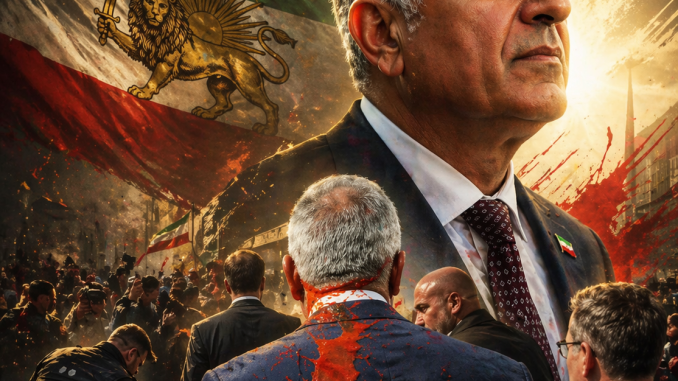
Shahbod Noori
04/24/2026
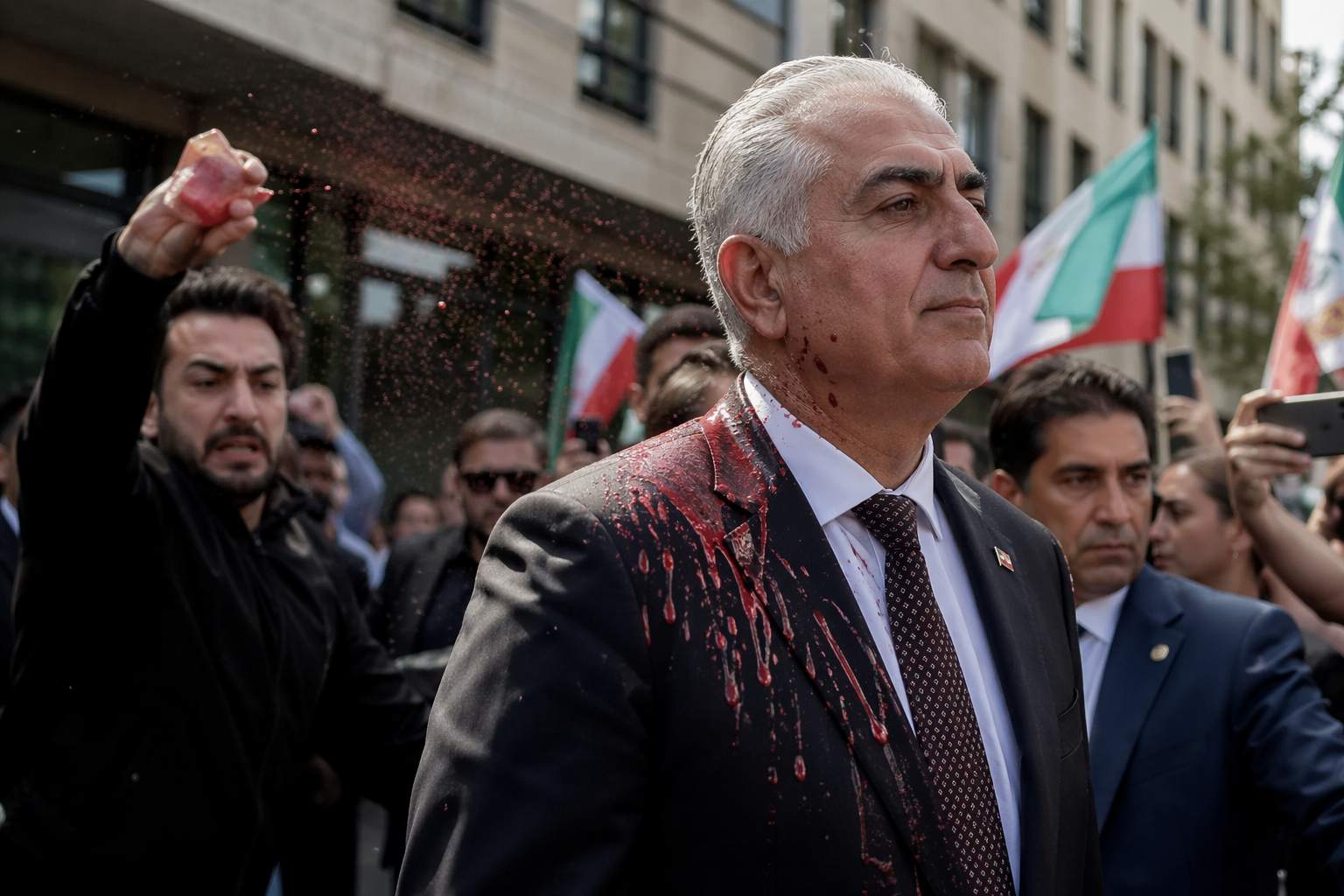
What happened recently to Reza Pahlavi in Berlin was not just an isolated incident. It was not merely an act of throwing liquid. For those who remember history, the scene felt painfully familiar.
This was a reminder — a continuation of a long, troubling pattern.
For decades, opponents of the Islamic Republic have been targeted far beyond Iran’s borders. Europe, once believed to be a safe haven, has repeatedly proven otherwise. From quiet threats to brutal assassinations, the reach of the regime has extended into cities that pride themselves on freedom and democracy.
The name Fereydoun Farrokhzad still echoes in the collective memory of Iranians. An artist, a voice, a man who spoke freely — only to be silenced violently in exile. His death was not just a tragedy; it was a message.
And he was not alone.
The Mykonos restaurant assassinations in Berlin exposed something even deeper — that these were not random acts, but part of a systematic approach to eliminating opposition voices abroad.
This is why the recent incident cannot be dismissed.
When someone can approach a high-profile figure like Reza Pahlavi so easily, it raises a serious question:
Have we learned anything from the past?
Because history, when ignored, does not disappear. It repeats — sometimes in different forms, but with the same intention.
Yesterday, it was bullets.
Today, it may be paint.
But the message behind both remains disturbingly similar.
What makes today different, however, is not the threat — but the awareness.
Iranians are no longer silent observers. Every incident is seen, shared, analyzed, and remembered. And at the center of this attention stands a figure who, for many, represents something larger than politics.
Reza Pahlavi has become, for millions, a symbol of continuity, stability, and hope. That alone makes him a sensitive and significant target.
And yet, the response from European governments remains cautious — sometimes distant, sometimes insufficient.
This raises a deeper concern:
If those who openly oppose authoritarian rule cannot be protected in democratic countries, what does that say about the strength of those democracies?
Security is not just about individuals. It is about principles.
If Europe cannot — or will not — ensure the safety of figures who stand against repression, then every such incident becomes more than a security failure. It becomes a moral one.
The recent event in Berlin should not be minimized. It should be understood within a broader historical context — one that stretches from past assassinations to present-day intimidation.
Because the truth is simple:
The threat has never truly disappeared.
Only the methods have changed.
And perhaps the most important difference today is this —
these events are no longer forgotten.
They are remembered.
They are questioned.
And they are no longer accepted in silence.
از برلین تا بن؛ سایهای که هنوز بر جان مخالفان ایران سنگینی میکند
حادثه اخیر برای Reza Pahlavi در Berlin اگرچه در ظاهر به یک «رنگپاشی» محدود شد، اما برای ایرانیانی که تاریخ را فراموش نکردهاند، این صحنه بسیار آشنا بود. این فقط یک اتفاق گذرا نبود؛ یادآوری یک واقعیت قدیمی بود:
دست جمهوری اسلامی سالهاست که تا قلب اروپا و حتی آمریکا رسیده است.
برای بسیاری، این حادثه شاید کوچک به نظر برسد، اما برای نسلی که ترور، حذف و سکوت اجباری را از نزدیک دیده، این تنها یک حلقه دیگر از زنجیرهای طولانی است.
حافظهای که هنوز زنده است
نام Fereydoun Farrokhzad هنوز در ذهن جامعه ایرانی زنده است؛ هنرمندی که در خارج از ایران، در امنیتی که قرار بود پناهگاه باشد، به طرز فجیعی به قتل رسید. او تنها نبود.
در دهههای گذشته، دهها چهره سیاسی، فرهنگی و مخالف جمهوری اسلامی در اروپا هدف قرار گرفتند. یکی از مهمترین نمونهها، ماجرای Mykonos restaurant assassinations بود؛ جایی که مخالفان کرد ایرانی در یک رستوران در برلین ترور شدند—در همان کشوری که امروز بار دیگر صحنه یک تهدید علیه یک چهره اپوزیسیون شده است.
اینها حوادث پراکنده نبودند. یک الگو بودند.
اروپا؛ پناهگاه یا میدان بازی؟
سالها به ایرانیان گفته شد که اگر از سرکوب فرار کنند، در اروپا امنیت خواهند داشت. اما تاریخ چیز دیگری نشان داده است. از وین تا پاریس، از بن تا برلین، بارها ثابت شده که مخالفان جمهوری اسلامی حتی در خارج از مرزهای ایران نیز در امان نیستند.
امروز، وقتی فردی میتواند به این سادگی به شاهزاده رضا پهلوی نزدیک شود، این فقط یک نقص امنیتی نیست؛ این یادآوری یک بیتوجهی تاریخی است.
بیتوجهیای که قبلاً نیز هزینههای سنگینی داشته است.
تفاوت امروز با گذشته چیست؟
یک تفاوت بزرگ وجود دارد:
امروز، جامعه ایرانی دیگر ساکت نیست.
در گذشته، بسیاری از این ترورها در سکوت خبری یا با واکنشهای محدود مواجه میشدند. اما امروز، هر اتفاقی بهسرعت دیده میشود، تحلیل میشود و به یک مطالبه تبدیل میشود.
و در مرکز این توجه، نامی قرار دارد که برای بسیاری نماد یک مسیر متفاوت است:
Reza Pahlavi
او نهتنها یک چهره سیاسی، بلکه برای بخش بزرگی از جامعه ایرانی، نماینده امید به آیندهای متفاوت است. همین جایگاه، او را به هدفی حساستر تبدیل میکند.
یک پیام روشن
حادثه برلین، هرچند بدون آسیب جدی پایان یافت، اما یک پیام واضح داشت:
تهدید هنوز وجود دارد.
و اگر تاریخ چیزی به ما آموخته باشد، این است که نادیده گرفتن این تهدید، آن را از بین نمیبرد—بلکه جسورترش میکند.
امروز رنگ پاشیده شد، دیروز گلوله شلیک شد.
تفاوت فقط در ابزار است، نه در ماهیت.
مسئولیت چه کسی است؟
کشورهایی که میزبان چهرههای اپوزیسیون هستند، نمیتوانند خود را از این مسئولیت کنار بکشند. امنیت این افراد، فقط یک مسئله شخصی نیست؛ مسئلهای است مرتبط با اصولی که همین کشورها مدعی آن هستند.
اگر اروپا نمیتواند—یا نمیخواهد—از کسانی که در برابر حکومتهای سرکوبگر ایستادهاند محافظت کند، این پرسش مطرح میشود که آن ارزشها تا چه حد واقعی هستند؟
جمعبندی
حادثه اخیر را نمیتوان جدا از گذشته دید. این یک خط ممتد است؛ از قتلهای دهه ۹۰ تا تهدیدهای امروز.
اما یک چیز تغییر کرده است:
امروز، این اتفاقات دیگر در سکوت دفن نمیشوند.
و شاید همین، مهمترین تفاوت باشد.
چرا که در نهایت، آنچه یک جامعه را زنده نگه میدارد، فقط امنیت نیست—
بلکه یادآوری، آگاهی، و نپذیرفتن تکرار تاریخ است.