
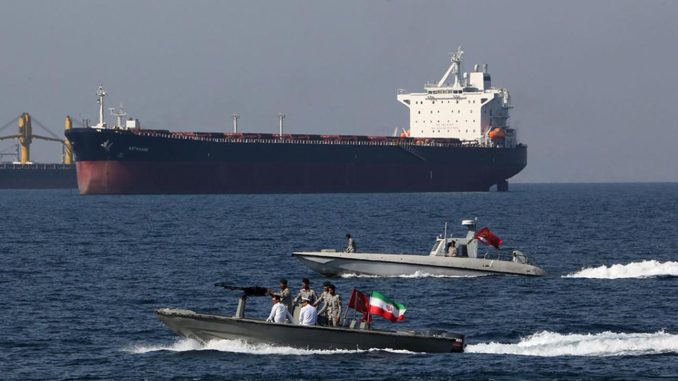

In the past week, tensions between Iran and the United States entered one of their most critical and dangerous phases. What we are witnessing is no longer a contained political dispute or a limited military confrontation. It has evolved into a multidimensional crisis—naval, economic, and psychological—centered on one of the most strategic chokepoints in the world: the Strait of Hormuz.
This past week made one thing unmistakably clear: the Persian Gulf is no longer just a region of tension—it is now a potential trigger for a global economic shock and a decisive turning point in Iran’s future.
Escalation Beyond Containment
Over the past week, the trajectory of events showed a sharp escalation. The United States intensified its military posture in the region while adopting a more aggressive operational stance.
A pivotal moment came with direct authorization from Donald Trump to target Iranian-linked naval activity involved in mine deployment. This decision effectively shifted the situation from deterrence to direct confrontation.
Iran, in response, demonstrated no intention of retreat. Seizures of vessels and expanded naval maneuvers signaled a clear message: escalation will be met with escalation.
The Strait That Holds the World Hostage

During the past week, the strategic importance of the Strait of Hormuz became impossible to ignore.
Roughly 20 percent of the world’s oil supply flows through this narrow passage. Any disruption here is not regional—it is global.
Iran has leveraged this geography as a pressure point, threatening closure and demonstrating its capacity to disrupt maritime traffic. Meanwhile, the United States has moved to secure shipping lanes, deploying naval assets to maintain the flow of energy.
The result is a fragile balance where every incident sends shockwaves through global markets.
Economic Warfare Reaching Its Peak

Parallel to the military developments, economic pressure intensified significantly over the past week.
The United States continued expanding sanctions targeting Iran’s oil exports, shipping networks, and financial channels. The objective is no longer symbolic pressure—it is systemic paralysis.
Iran, on the other hand, has attempted to sustain its economic lifelines through alternative routes and informal networks. Yet the strain is evident. The economic battlefield is now just as critical as the military one, with consequences that reach directly into the daily lives of ordinary citizens.
Diplomacy Collapses Into Silence
If there was any lingering hope for de-escalation, the past week effectively extinguished it.
Planned diplomatic engagements failed to materialize, and key talks were either canceled or stalled. The gap between the two sides appears wider than ever, with trust nearly nonexistent.
Iranian officials have also indicated that under current conditions, restoring full stability in maritime routes is highly unlikely.
Diplomacy, at least for now, has been replaced by calculated displays of force.
A New Kind of Naval Warfare

One of the defining features of this week has been the visible role of advanced technology in the conflict.
The United States has increasingly relied on:
- unmanned naval drones
- autonomous mine-detection systems
- advanced surveillance platforms
This shift reflects a broader transformation in warfare. The battlefield is no longer dominated solely by human forces; technology is now a decisive factor shaping outcomes in real time.
Global Reaction: Concern Without Commitment
Throughout the week, global leaders voiced concern—but concrete action remained limited.
Emmanuel Macron emphasized the urgency of keeping energy routes open and warned of potential global shortages.
However, the broader international response has been restrained:
- Europe has avoided direct involvement
- United Nations has yet to play a decisive role
- Major powers appear focused on protecting their own strategic interests
This lack of unified action has allowed the crisis to deepen without meaningful restraint.
Echoes of the Past, Risks of the Future

Analysts have drawn comparisons between current events and the “Tanker War” of the 1980s.
But the differences are significant:
- today’s technologies are far more advanced
- global energy dependency is greater
- and the geopolitical stakes are higher
This means the margin for error is far smaller—and the consequences of miscalculation far more severe.
Iran’s Future: Three Possible Paths
Based on developments over the past week, Iran’s trajectory appears to be narrowing toward three potential scenarios:
1. Prolonged Attrition
A sustained conflict that continues to erode economic stability and internal resilience
2. Forced Negotiation
Mounting pressure could push Iran toward a limited, tactical agreement
3. Expanded Conflict
A broader military confrontation with regional—or even global—implications
The Unspoken Reality: A Nation Under Pressure
Amid all strategic calculations, one reality remains constant:
The Iranian people bear the heaviest burden.
Rising costs, economic instability, and deep uncertainty define everyday life. While global powers maneuver for advantage, it is the population that absorbs the consequences.
Conclusion
The past week has marked a decisive shift.
The Strait of Hormuz has become more than a strategic passage—it is now the epicenter of a confrontation with global implications. Diplomacy has stalled, economic warfare has intensified, and military tensions continue to rise.
This is no longer a temporary crisis.
It is a pivotal moment—one that could redefine not only the future of Iran, but the balance of power across the region and beyond.
تنگه هرمز در آتش؛ هفتهای که جهان را تا مرز بحران انرژی و جنگ گسترده پیش برد
در هفتهای که گذشت، تنش میان ایران و ایالات متحده وارد یکی از حساسترین مراحل خود شد؛ مرحلهای که دیگر صرفاً یک تقابل سیاسی یا نظامی محدود نیست، بلکه به یک بحران چندلایه تبدیل شده است: از درگیریهای دریایی در تنگه هرمز گرفته تا فشارهای اقتصادی فلجکننده و شکست کامل دیپلماسی.
این هفته، بیش از هر زمان دیگری نشان داد که منطقه خلیج فارس، و بهویژه تنگه هرمز، به نقطهای تبدیل شده که میتواند سرنوشت اقتصاد جهانی و آینده ایران را همزمان تحت تأثیر قرار دهد.
درگیریهایی که از کنترل خارج شد
در هفتهای که گذشت، نشانههای واضحی از تشدید تنشها دیده شد. ایالات متحده حضور نظامی خود را در منطقه افزایش داد و همزمان، سیاستهای تهاجمیتری را در پیش گرفت.
در همین بازه، دستور مستقیم Donald Trump برای هدف قرار دادن قایقها و نیروهای مرتبط با عملیات مینگذاری ایران، عملاً سطح درگیری را از حالت بازدارندگی به برخورد مستقیم ارتقا داد.
در مقابل، ایران نیز با اقداماتی چون توقیف کشتیها و افزایش حضور نظامی در آبهای استراتژیک، نشان داد که نهتنها عقبنشینی در کار نیست، بلکه آماده تشدید تقابل است.
تنگه هرمز؛ نقطهای که جهان را نگه داشته است

در هفتهای که گذشت، اهمیت حیاتی Strait of Hormuz بیش از هر زمان دیگری آشکار شد.
این تنگه، که حدود یکپنجم نفت جهان از آن عبور میکند، عملاً به ابزار فشار تبدیل شده است. هرگونه اختلال در آن، نهتنها منطقه، بلکه کل اقتصاد جهانی را تحت تأثیر قرار میدهد.
ایران با تهدید بستن مسیر و اقدامات عملی در دریا، این اهرم را فعال کرده، و آمریکا نیز با افزایش حضور دریایی و عملیات کنترلی، تلاش کرده جریان انرژی را حفظ کند.
نتیجه؟
بازاری که با هر خبر از این منطقه، دچار نوسان و اضطراب میشود.
. جنگ اقتصادی؛ فشارهایی

فراتر از تحریم
در همین هفته، ایالات متحده یکی از شدیدترین فشارهای اقتصادی خود علیه ایران را ادامه داد.
هدف این اقدامات، دیگر صرفاً محدود کردن نیست؛ بلکه فلج کردن کامل توان اقتصادی ایران است. شبکههای صادرات نفت، شرکتهای واسطه و حتی مسیرهای غیررسمی هدف قرار گرفتهاند.
در مقابل، ایران تلاش کرده با استفاده از مسیرهای جایگزین و شبکههای پیچیده، صادرات خود را حفظ کند. اما واقعیت این است که فشار اقتصادی به سطحی رسیده که تأثیر آن بهطور مستقیم در زندگی روزمره مردم دیده میشود.
شکست دیپلماسی؛ بنبست کامل
در هفتهای که گذشت، امیدها به کاهش تنشها عملاً از بین رفت.
مذاکراتی که قرار بود به کاهش بحران کمک کند، به نتیجه نرسید و حتی برخی نشستها در آخرین لحظات لغو شدند. این اتفاق نشان داد که فاصله میان دو طرف، بیش از آن است که در کوتاهمدت قابل پر شدن باشد.
در همین حال، مقامات ایرانی نیز اعلام کردند که بازگشایی کامل مسیرهای دریایی در شرایط فعلی بسیار دشوار است.
این یعنی:
دیپلماسی فعلاً جای خود را به قدرتنمایی داده است.
جنگ مدرن؛ وقتی تکنولوژی وارد میدان میشود

یکی از ویژگیهای مهم این هفته، استفاده گسترده از فناوریهای جدید در میدان درگیری بود.
ایالات متحده برای کنترل منطقه و مقابله با تهدیدها، از ابزارهایی مانند:
- پهپادهای دریایی
- سیستمهای بدون سرنشین
- تجهیزات پیشرفته مینیاب
استفاده کرده است.
این تحول نشان میدهد که شکل جنگها تغییر کرده؛ دیگر فقط نیروی انسانی تعیینکننده نیست، بلکه تکنولوژی نقش اصلی را بازی میکند.
واکنش جهان؛ نگرانی بدون اقدام
در هفتهای که گذشت، بسیاری از رهبران جهان نسبت به این بحران واکنش نشان دادند، اما اقدامات عملی همچنان محدود باقی مانده است.
Emmanuel Macron از لزوم باز نگه داشتن مسیرهای انرژی سخن گفت و نسبت به پیامدهای اقتصادی هشدار داد.
با این حال، واقعیت این است:
- اروپا وارد تقابل مستقیم نشده
- United Nations نقش مؤثری ایفا نکرده
- قدرتهای بزرگ بیشتر در حال مدیریت منافع خود هستند
این وضعیت باعث شده بحران عملاً بدون مهار جدی پیش برود.
سایه تاریخ؛ بازگشت یک الگوی قدیمی
بسیاری از تحلیلگران، اتفاقات این هفته را یادآور «جنگ نفتکشها» در دهه ۱۹۸۰ میدانند.
اما تفاوت امروز در این است که:
- ابزارها پیشرفتهتر شدهاند
- اقتصاد جهانی وابستهتر است
- و دامنه بحران میتواند بسیار گستردهتر باشد
این یعنی کوچکترین اشتباه میتواند پیامدی بسیار بزرگتر از گذشته داشته باشد.
آینده ایران؛ سه مسیر پیش رو
با توجه به شرایطی که در هفتهای که گذشت شکل گرفت، آینده ایران در یکی از این مسیرها قرار دارد:
۱. ادامه جنگ فرسایشی
فشارها ادامه پیدا میکند و اقتصاد بیش از پیش آسیب میبیند
۲. توافق تحت فشار
ایران ممکن است به سمت یک توافق محدود سوق داده شود
۳. تشدید درگیری
احتمال برخورد گستردهتر و حتی منطقهای افزایش مییابد
مردم؛ قربانیان خاموش
در تمام اتفاقاتی که در هفتهای که گذشت رخ داد، یک نکته ثابت باقی مانده است:
مردم ایران، بیشترین هزینه را پرداخت میکنند.
افزایش قیمتها، کاهش قدرت خرید، نااطمینانی از آینده و فشار روانی، همگی بخشی از واقعیتی هستند که کمتر در سطح سیاسی به آن پرداخته میشود.
جمعبندی
در هفتهای که گذشت، بحران میان ایران و آمریکا نهتنها کاهش نیافت، بلکه وارد مرحلهای شد که بازگشت از آن دشوارتر از همیشه به نظر میرسد.
تنگه هرمز به نقطه تقابل تبدیل شده، دیپلماسی عملاً متوقف شده، و اقتصاد جهانی در حالت انتظار و اضطراب قرار دارد.
این وضعیت، تنها یک بحران موقت نیست؛
بلکه میتواند آغاز یک تغییر بزرگ در معادلات منطقه و حتی جهان باشد.