
Shahbod Noori
5/1/2026
breaking news
Is the war everyone fears already underway?

Over the past week, from Tuesday until today, the Middle East has once again moved dangerously close to a breaking point. Tensions between Iran and the United States have not eased—in fact, they appear to be entering a new and more complex phase.
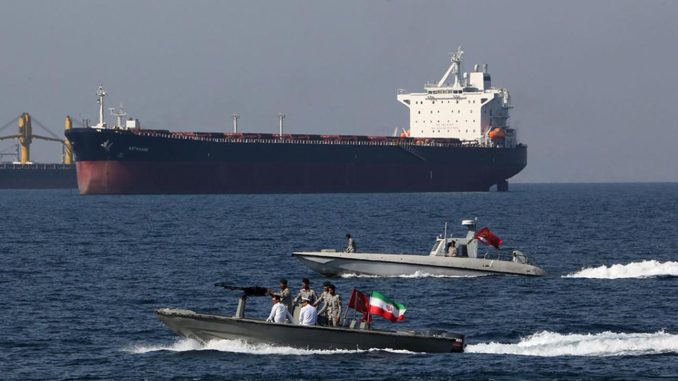
Recent reports highlight increased military activity in the Persian Gulf. The expansion of U.S. naval presence, combined with sharp warnings from Iranian officials, paints a picture of a potential confrontation that could escalate at any moment. While neither side has officially declared war, the tone of diplomacy has clearly hardened.
Strait of Hormuz: The Center of Gravity
The Strait of Hormuz remains the focal point of this crisis. As one of the world’s most critical النفط transit routes, any disruption could shake global markets.
In recent days, indirect warnings from Iran regarding potential restrictions in maritime traffic have drawn immediate reactions from the United States. Analysts increasingly describe the Strait not just as a trade route, but as a strategic pressure point.
A War Without Declaration
Many experts now believe that if conflict unfolds, it may not resemble a traditional war. Instead, what is emerging is a “shadow war”—a blend of cyber operations, economic pressure, proxy conflicts, and limited strikes.
Reports of localized incidents and rising tensions across the region this week reinforce that this type of conflict is already underway, even if unofficially.
Public Sentiment: Fear and Fatigue
Inside Iran, the public response is shaped by a mix of anxiety and exhaustion. Years of economic hardship and instability have left little appetite for further conflict. In the United States, public opinion also remains cautious about entering another prolonged Middle Eastern war.
This gap between political decision-makers and public sentiment could play a decisive role in shaping what comes next.
The Role of Israel
Although less visible in headlines this week, Israel remains a critical factor. Any direct confrontation between Iran and the U.S. would almost certainly involve broader regional dynamics, with Israel playing a key strategic role.
What Comes Next?
Despite rising tensions, diplomatic channels are not entirely closed. There are indications of behind-the-scenes efforts to prevent escalation.
However, the margin between negotiation and conflict has become dangerously thin.
Final Word
What we witnessed this past week is not just another spike in tensions—it may be the beginning of a significant shift in Iran–U.S. relations.
The world is watching closely.
And the question remains:
Will this lead to open conflict—or will diplomacy prevail at the last possible moment?