
By, Fatemeh Pouresmaeil
Over the past four decades, Iranian women have traveled one of the most complex and challenging social paths in modern Middle Eastern history. On one hand, millions of Iranian women have excelled in universities, medicine, science, business, arts, and technology. On the other hand, they continue to face obstacles that limit their opportunities and freedoms. Many of these barriers stem from laws and government policies, while others are deeply rooted in cultural traditions and social attitudes.
Whenever the issue of women’s rights in Iran is discussed, attention is often directed solely toward the government. There is no doubt that many legal restrictions affecting women—including mandatory hijab laws, limitations in family law, and barriers to political participation—are linked to policies implemented since the 1979 Islamic Revolution.
However, if we truly want to understand the challenges facing Iranian women, we must look beyond politics. The reality is more complicated. Some of the obstacles women face are sustained not only by laws but also by traditions, customs, and attitudes that have existed for generations.
In many Iranian households, boys and girls are still raised according to different expectations. Sons are often granted greater freedom and independence, while daughters are expected to be more cautious, obedient, and family-oriented. These attitudes are not written in government legislation; they are passed from one generation to another through social norms and family culture.
Many women grow up hearing that preserving a marriage is more important than pursuing personal happiness, even in situations involving emotional abuse, humiliation, or inequality. At the same time, some men are raised to believe that they should have the final word in family decisions and that a woman’s role is secondary.
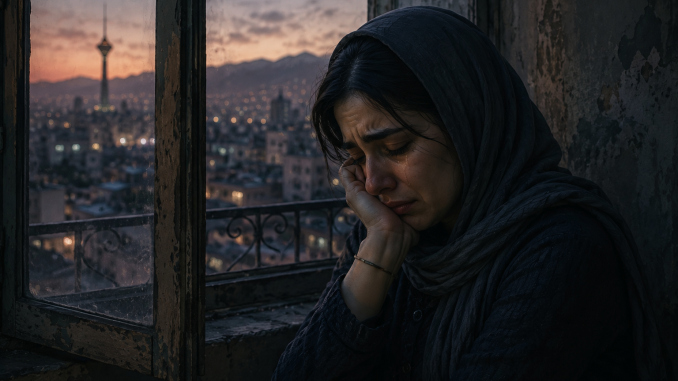
One of the most difficult truths to acknowledge is that a woman’s first obstacle is not always the state. Sometimes it is a father who refuses to support her education, a brother who tries to control her choices, or a husband who views her success as a threat rather than an achievement.
Yet despite these challenges, Iranian women have demonstrated remarkable resilience. Today’s generation of Iranian women is among the most educated and determined in the country’s history. They have entered professions once dominated by men, launched successful businesses, and become influential voices in social and cultural life.
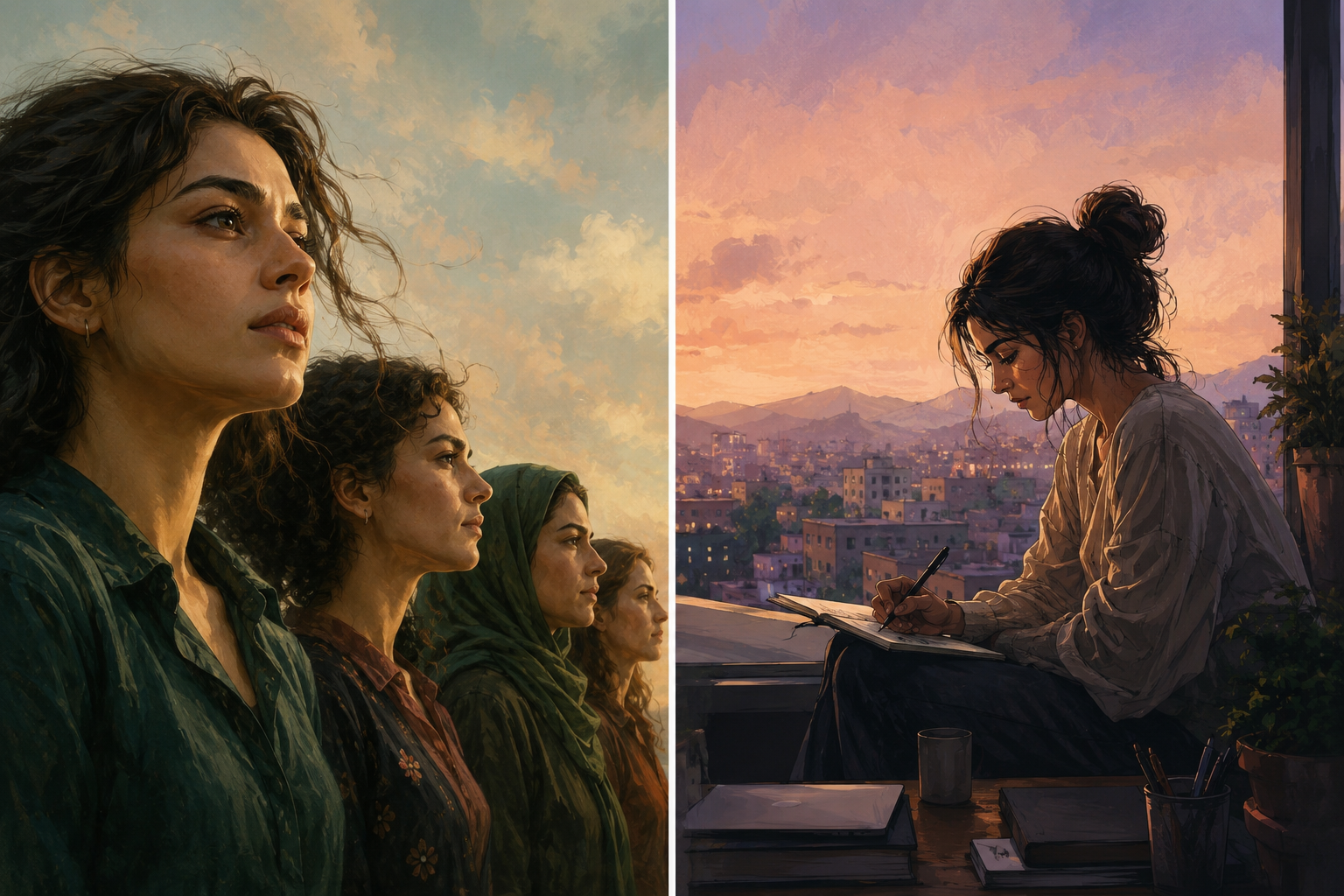
Their achievements prove that talent and determination can survive even under difficult circumstances. However, genuine progress requires change on two fronts: legal reform and cultural transformation. Laws alone cannot solve every problem, and social attitudes cannot evolve fully without supportive legal structures.
If Iranian society hopes to build a stronger future, men must recognize that women’s empowerment is not a threat to family values or social stability. A woman who is educated, financially independent, and able to participate equally in decision-making strengthens her family and contributes to the prosperity of society as a whole.
Ultimately, the challenges facing women in Iran are not simply women’s issues. They are national issues. A country that limits the potential of half its population limits its own future.
As discussions about women’s rights continue, it is important to avoid searching for a single culprit. Governments bear responsibility for discriminatory laws, but society and families must also confront the traditions and attitudes that perpetuate inequality.
Real change begins when we are willing to examine all contributing factors—law, culture, religion, family expectations, and social behavior. Only then can meaningful progress become possible.
Upcoming Topics in This Series:
• Domestic Violence: The Silence That Lasts for Generations
• Divorce in Iran: Failure or a New Beginning?
• Daughters and Discrimination in Traditional Families
• Forced Marriage and Family Pressure
• Working Women: Balancing Career and Home
• Single Mothers and Economic Hardship
• Sexual Harassment and Social Silence
• Women’s Role in Shaping Iran’s Future