
by fatemeh pouresmaeil
07/06/2026
When Family, Tradition, and Society Make Decisions for Women
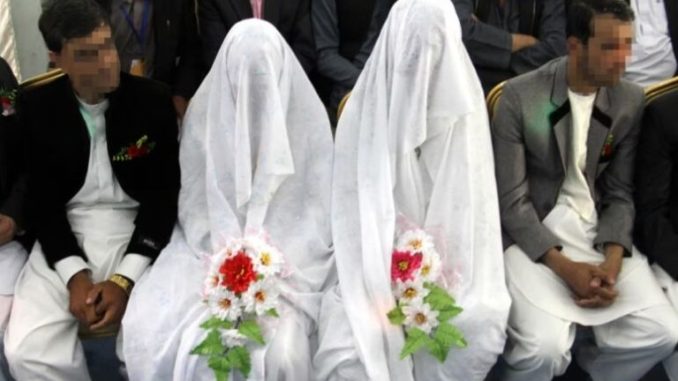
Marriage is often described as one of the most important decisions a person will ever make. It shapes not only one’s future but also emotional well-being, personal growth, and family life. Ideally, it should be based on mutual respect, understanding, and free choice. Yet for many women, deciding whom—and when—to marry is not always entirely their own decision.
In Iran, as in many societies around the world, women have made remarkable progress over the past four decades. They have become doctors, lawyers, professors, entrepreneurs, artists, and community leaders. They have earned university degrees in record numbers and have proven their abilities in nearly every professional field.
Despite these achievements, many women still face social and cultural pressures when it comes to marriage. While legal frameworks and government policies influence certain aspects of family life, many of the expectations surrounding marriage are rooted in long-standing traditions and social attitudes that extend far beyond politics.
For many young women, pressure begins at home. Parents naturally want the best future for their daughters, and their concern often comes from love and experience. However, there are times when concern gradually becomes control. A daughter who feels emotionally or financially unprepared for marriage may still find herself encouraged—or even pressured—to accept a proposal simply because relatives believe “the time has come.”
Expressions such as “You’re getting older,” “Good opportunities don’t come twice,” or “People are beginning to ask why you’re still single” continue to influence family conversations in many Iranian households. Although these comments are often made with good intentions, they can create significant emotional stress and leave young women feeling that their worth is somehow tied to their marital status.
Society also plays a powerful role. In many communities, a woman’s accomplishments are still measured not only by her education, career, or personal achievements, but also by whether she is married. An accomplished woman in her thirties may still face repeated questions about why she has not married, while men of the same age often experience far less social scrutiny.
This difference reflects a broader cultural expectation rather than an individual failure. It illustrates how traditions can shape personal choices, sometimes limiting women’s freedom without anyone intending direct harm.
Family involvement in choosing a spouse has long been part of Iranian culture. Advice from parents and relatives can be valuable, especially when it comes from genuine care and life experience. Problems arise, however, when guidance turns into pressure and a young woman’s own voice becomes secondary to the opinions of extended family members.
In some cases, economic realities also influence marriage decisions. Rising housing costs, inflation, employment uncertainty, and financial instability have made marriage increasingly difficult for many young couples. As a result, families sometimes encourage quick decisions or place additional pressure on their children, believing that waiting may only make life more complicated.
Fortunately, positive changes are taking place. Today’s younger generation of parents is generally more open-minded than previous generations. Many encourage their daughters to complete their education, establish careers, become financially independent, and choose partners based on compatibility rather than social expectations.
This shift reflects an important evolution in Iranian society. More families now recognize that a successful marriage depends not on age or social pressure, but on emotional maturity, mutual respect, communication, and shared values.
Education also plays an essential role. Schools, universities, and community organizations can help young people develop healthy relationship skills, understand mutual respect, and appreciate the importance of informed decision-making. Marriage should never be viewed simply as a social obligation; it should be a thoughtful commitment between two equal partners.
Men also have an important responsibility in shaping this cultural change. A husband who sees his wife as an equal partner rather than someone expected to simply obey creates a healthier family environment. Equality within marriage does not weaken family values—it strengthens them by building trust, cooperation, and mutual respect.
Millions of Iranian women, both inside Iran and throughout the global Iranian community, have demonstrated that it is possible to honor family traditions while also preserving individual freedom and dignity. Respecting a woman’s right to choose does not mean rejecting cultural values; it means recognizing that lasting relationships are built on consent rather than pressure.
Perhaps it is time to ask young women a different question. Instead of asking, “When are you getting married?”, perhaps we should ask, “Are you happy? Do you feel ready? Have you chosen the future that is right for you?”
A woman’s value should never be measured solely by a wedding ring or her marital status. Her true worth lies in her character, her intelligence, her compassion, her achievements, and the contributions she makes to her family and society.
Conclusion
A healthy society is one in which marriage is a conscious choice rather than the result of fear, pressure, or social expectation. Respecting women’s right to choose does not threaten the family—it strengthens it.
Families built on mutual respect, understanding, and shared decision-making are more likely to succeed than those formed through obligation or social pressure. As Iran continues to evolve, empowering women to make informed choices about their own futures will not only benefit individuals but also contribute to stronger families, healthier communities, and a more hopeful future for generations to come.