
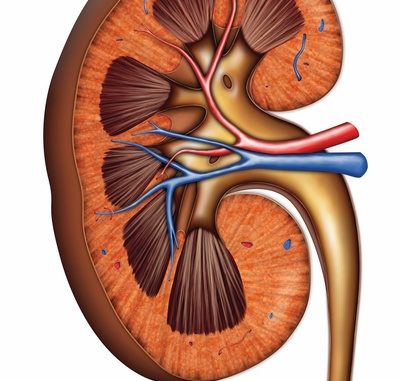
The liver is one of the body’s most remarkable organs, performing more than 500 essential functions every day. It filters toxins from the blood, helps digest food, regulates blood sugar, stores vitamins and minerals, produces important proteins, and plays a critical role in fat metabolism. Despite its importance, many men pay little attention to liver health until serious damage has already occurred.
One of the fastest-growing health concerns worldwide is Non-Alcoholic Fatty Liver Disease (NAFLD). Unlike alcohol-related liver disease, NAFLD develops in people who drink little or no alcohol. It is primarily linked to obesity, insulin resistance, diabetes, poor nutrition, and physical inactivity. Today, it affects millions of people around the world and has become one of the leading causes of chronic liver disease.
What Is Fatty Liver Disease?
A healthy liver naturally contains a small amount of fat. However, when fat accounts for more than 5–10 percent of the liver’s weight, doctors diagnose fatty liver disease.
In its earliest stage, excess fat simply accumulates inside liver cells. If left untreated, inflammation may develop, damaging healthy liver tissue. Over time, this damage can lead to fibrosis (scar tissue), cirrhosis, liver failure, and in some cases, liver cancer.
The encouraging news is that fatty liver disease is often reversible when detected early and managed with healthy lifestyle changes.
Why Are Men at Greater Risk?
Although women can also develop fatty liver disease, men—particularly those between the ages of 40 and 65—face a higher risk. One major reason is abdominal obesity. Excess belly fat is closely associated with insulin resistance, chronic inflammation, and increased fat accumulation in the liver.
Modern lifestyles have contributed significantly to this problem. Long working hours, sedentary office jobs, frequent fast-food meals, sugary drinks, chronic stress, poor sleep, and lack of regular exercise have dramatically increased the number of men diagnosed with fatty liver disease.
Major Risk Factors
Several factors increase the likelihood of developing fatty liver disease:
- Overweight and obesity, especially abdominal obesity
- Type 2 diabetes or insulin resistance
- High cholesterol and triglycerides
- High blood pressure
- Physical inactivity
- Diets high in sugar and refined carbohydrates
- Frequent consumption of processed and fried foods
- Poor sleep habits
- Chronic stress
- Certain long-term medications
Having multiple risk factors greatly increases the chance of developing liver disease.
Symptoms
Fatty liver disease is often called a “silent disease” because many people experience no symptoms during its early stages.
When symptoms do appear, they may include:
- Persistent fatigue
- Low energy
- Discomfort or heaviness in the upper right abdomen
- Bloating
- Difficulty concentrating
- General weakness
- Elevated liver enzymes found during routine blood tests
In advanced stages, symptoms may include jaundice, swelling of the abdomen or legs, unexplained weight loss, easy bruising, and persistent itching.
Diagnosis
Doctors typically diagnose fatty liver disease using a combination of medical history, physical examination, laboratory testing, and imaging studies.
Blood tests may reveal elevated liver enzymes such as ALT and AST, although normal results do not always rule out liver disease.
Ultrasound is commonly used to detect fat accumulation in the liver. In some patients, a FibroScan is performed to measure liver stiffness and evaluate fibrosis. More advanced imaging or a liver biopsy may occasionally be required.
Can Fatty Liver Disease Be Treated?
There is currently no single medication that cures fatty liver disease. However, lifestyle modification remains highly effective.
Studies have shown that losing just 7–10% of total body weight can significantly reduce liver fat, inflammation, and early fibrosis. For this reason, physicians consider healthy eating, regular physical activity, and weight management the foundation of treatment.
Nutrition: Your Greatest Weapon
Healthy nutrition is one of the most effective ways to improve liver health.
Foods that support the liver include:
- Fresh vegetables
- Fruits such as apples, berries, citrus fruits, and pomegranates
- Whole grains
- Beans and legumes
- Fatty fish rich in Omega-3 fatty acids
- Olive oil
- Nuts in moderation
Foods to limit include:
- Sugary beverages
- Sweets and pastries
- Fried foods
- Fast food
- Processed meats
- Excess refined carbohydrates
Many people believe dietary fat is the primary cause of fatty liver. In reality, excessive sugar—especially from soft drinks and processed foods—is one of the major contributors.
Exercise Matters
Regular exercise reduces liver fat, improves insulin sensitivity, lowers inflammation, and supports cardiovascular health.
Experts recommend:
- At least 150 minutes of moderate aerobic exercise each week
- Strength training two or three times weekly
- Daily walking whenever possible
Even standing up and moving for a few minutes every hour during long workdays can make a positive difference.
Sleep and Stress
Research shows that men who regularly sleep fewer than six hours per night have a higher risk of developing fatty liver disease. Quality sleep helps regulate hormones, metabolism, and inflammation.
Chronic stress also contributes to unhealthy eating habits and metabolic dysfunction. Managing stress through exercise, hobbies, meditation, or spending time with family can benefit both liver health and overall well-being.
Are Herbal Supplements Effective?
Many products claim to “cleanse” or “detox” the liver. However, no herbal supplement has been proven to replace healthy eating, exercise, and weight loss.
Some supplements may even cause liver injury or interact with prescription medications. Always consult your physician before taking any herbal product.
Common Misconceptions
“I don’t have pain, so my liver must be healthy.”
False. Most people with fatty liver disease have no symptoms.
“Only overweight people develop fatty liver.”
Not true. Even individuals with a normal body weight can develop fatty liver due to genetics, diabetes, or poor dietary habits.
“Normal blood tests mean my liver is healthy.”
Not always. Imaging studies sometimes reveal fatty liver even when liver enzymes are normal.
“Fatty liver disease cannot be reversed.”
Fortunately, early-stage fatty liver disease can often improve significantly through lifestyle changes.
When Should You See a Doctor?
Consult your healthcare provider if you have:
- Excess body weight
- Type 2 diabetes
- High blood pressure
- High cholesterol or triglycerides
- Elevated liver enzymes
- Persistent fatigue
- A family history of liver disease
Early diagnosis greatly improves long-term outcomes.
Protecting Your Liver
Simple daily habits can dramatically reduce your risk:
- Maintain a healthy weight.
- Exercise regularly.
- Eat more fruits, vegetables, and whole grains.
- Reduce sugar and processed foods.
- Get adequate sleep.
- Manage stress effectively.
- Avoid unnecessary medications and supplements.
- Schedule routine medical checkups and blood tests.
Final Thoughts
The liver works tirelessly every day to keep the body healthy, often without asking for anything in return. Fatty liver disease is one of today’s most common silent illnesses, closely linked to obesity, sedentary lifestyles, and poor nutrition.
The good news is that early-stage fatty liver disease is often preventable—and frequently reversible. Small lifestyle improvements made today can protect your liver for years to come.
Taking care of your liver is not simply about protecting one organ; it is an investment in your heart, metabolism, energy level, and overall quality of life. Every man who prioritizes liver health today is investing in a healthier and more active future.