
by Fatemeh Pouresmaeil
07/25/2026
In many families, people naturally think of the father as the pillar of the household. Yet in countless homes, it is the woman who quietly carries the greatest share of responsibility. She is often the planner, caregiver, counselor, cook, teacher, financial manager, wife, and mother—all at the same time. Many also work full-time outside the home. Despite everything they do, one important question is rarely asked: “How are you doing?”
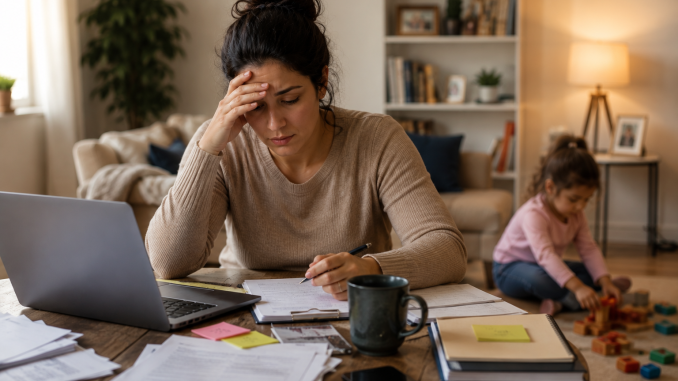
This silent burden has become one of the most overlooked challenges facing women today. It is known as hidden burnout—a form of emotional, mental, and physical exhaustion that develops gradually and often goes unnoticed until it begins affecting every aspect of life.
The Pressure to Always Be Strong
From an early age, many girls are taught to be patient, caring, and selfless. They learn to put the needs of others before their own and to remain calm even during difficult situations. While these qualities are admirable, they can also create an unhealthy belief that asking for help is a sign of weakness.
As adults, many women continue carrying this expectation. They smile through exhaustion, solve everyone else’s problems, and suppress their own emotions because they believe they must always appear strong. Over time, this constant emotional pressure can become overwhelming.
Endless Responsibilities
Modern life has transformed the role of women. Today, many balance successful careers while continuing to manage the majority of household responsibilities. After finishing a full day at work, another shift begins at home—preparing meals, helping children with schoolwork, organizing schedules, paying bills, caring for elderly parents, and handling countless daily tasks.
These responsibilities rarely end. Unlike many jobs that have clear working hours, family responsibilities often continue late into the evening and begin again early the next morning. Without adequate rest or shared responsibilities, burnout becomes almost inevitable.
Burnout Doesn’t Always Look Like Exhaustion
Many people assume burnout simply means feeling tired. In reality, its symptoms are much broader.
A woman experiencing burnout may struggle with poor concentration, irritability, anxiety, insomnia, frequent headaches, muscle pain, or a constant feeling of being overwhelmed. Activities that once brought joy may no longer feel enjoyable. She may even begin questioning her own abilities despite accomplishing more than most people realize.
Because these symptoms often develop slowly, many women dismiss them as a normal part of life rather than recognizing them as warning signs that deserve attention.
The Importance of Family Support
No family can thrive when one person carries every responsibility alone.
Healthy families are built on cooperation. Husbands, children, and extended family members all play important roles in creating balance. Sharing household duties, participating in childcare, offering emotional support, or simply encouraging a woman to rest can significantly reduce daily stress.
Sometimes, the smallest gestures have the greatest impact. Preparing dinner, helping with household chores, or taking responsibility for children’s activities allows mothers to recover both physically and emotionally.
The Double Shift of Working Women
Working women often face what experts describe as a “double shift.” Their professional responsibilities end only when their family responsibilities begin.
As a result, many have little or no time for exercise, hobbies, friendships, reading, or simple relaxation. Personal time is often viewed as a luxury instead of a necessity.
Unfortunately, many women also experience guilt whenever they choose to prioritize themselves, believing that caring for their own well-being somehow means neglecting their families.
Self-Care Is Not Selfish
One of the greatest misconceptions in modern society is that caring for yourself is selfish.
In reality, a healthy woman is better equipped to care for her family. Adequate sleep, nutritious meals, regular physical activity, medical checkups, social interaction, and moments of quiet reflection are not indulgences—they are essential investments in long-term physical and emotional health.
Just as an airplane safety demonstration reminds passengers to put on their own oxygen mask before helping others, women must recognize that caring for themselves enables them to better care for everyone else.
Society Has a Responsibility
Hidden burnout is not only a personal issue—it is a social issue.
Employers can help by creating flexible work environments and promoting healthy work-life balance. Communities can provide accessible mental health services, childcare resources, and support networks. Educational institutions can teach young people that family responsibilities should be shared equally.
The media also plays an important role. Rather than celebrating women only for sacrificing everything, society should also celebrate women who maintain healthy boundaries, seek support when needed, and prioritize both their families and their own well-being.
Teaching the Next Generation
Children learn more from what they observe than from what they are told.
When boys grow up seeing fathers actively participating in household responsibilities, they are more likely to become supportive partners themselves. When girls grow up understanding that their value extends far beyond endless self-sacrifice, they develop healthier expectations for their future.
Teaching mutual respect, cooperation, and shared responsibility creates stronger families and healthier communities.
Redefining Strength
True strength is not measured by how much suffering a person can endure in silence.
Real strength means recognizing personal limits, asking for help when necessary, and understanding that vulnerability is part of being human. It means creating balance between caring for others and caring for yourself.
Women who protect their own physical and emotional health are not neglecting their families—they are strengthening them.
Conclusion
Hidden burnout affects millions of women around the world, regardless of culture, nationality, or profession. As life becomes increasingly demanding, recognizing this invisible burden becomes more important than ever.
A healthy society should never expect women to carry every responsibility alone. Appreciation, shared responsibilities, emotional support, and access to healthcare are not acts of generosity—they are essential components of strong families and thriving communities.
Perhaps the greatest gift we can offer women is not another reminder to “be stronger,” but permission to rest, to ask for help, and to care for themselves without guilt. When women are supported rather than overwhelmed, everyone benefits—from children and spouses to entire communities and future generations.