
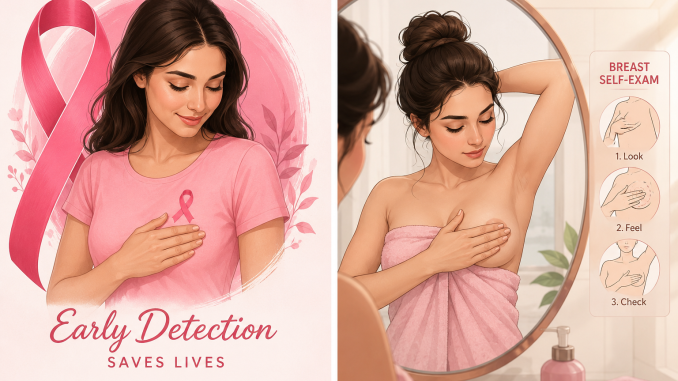
Breast cancer is one of the most common cancers affecting women worldwide. At the same time, it is also one of the most treatable cancers when detected early. Thanks to advances in medical science, improved screening programs, and greater public awareness, millions of women diagnosed at an early stage successfully complete treatment and continue to live long, healthy, and active lives.
Despite these advances, many women still delay medical checkups because they feel healthy, are afraid of the diagnosis, or simply do not recognize the warning signs. Understanding the risk factors, symptoms, screening methods, and preventive measures is one of the most effective ways to reduce the impact of this disease.
What Is Breast Cancer?
The breast is made up of fatty tissue, milk-producing glands, and ducts that carry milk to the nipple. Breast cancer develops when some of these cells begin to grow uncontrollably. Over time, these abnormal cells can form a tumor and, if left untreated, may spread to nearby tissues or other parts of the body.
It is important to remember that not every lump in the breast is cancerous. Many breast lumps are benign (non-cancerous). However, any new lump or unusual change should always be evaluated by a healthcare professional.
Who Is at Higher Risk?
Although any woman can develop breast cancer, certain factors increase the risk, including:
- Increasing age, particularly after 50
- A family history of breast or ovarian cancer
- Inherited gene mutations such as BRCA1 or BRCA2
- Early onset of menstruation or late menopause
- Having no children or having a first pregnancy later in life
- Obesity, especially after menopause
- Long-term use of certain hormone therapies
- Smoking and excessive alcohol consumption
- Physical inactivity
Having one or more risk factors does not mean a woman will definitely develop breast cancer, but it does make regular screening even more important.
Warning Signs
One of the most important facts about breast cancer is that it often causes no pain during its early stages. Waiting until pain develops can delay diagnosis.
Warning signs include:
- A new lump in the breast or underarm
- Changes in breast size or shape
- Dimpling or puckering of the skin
- Redness or thickening of the breast skin
- Bloody or unusual nipple discharge
- A nipple that becomes inverted or changes position
- Persistent pain in one specific area of the breast
Any of these symptoms should be evaluated promptly by a healthcare provider.
Breast Self-Awareness
Although breast self-examination is not a replacement for mammograms or professional medical examinations, becoming familiar with the normal appearance and feel of your breasts helps you recognize changes more quickly.
For women who menstruate, the best time to perform a self-check is a few days after the menstrual period ends, when breast tissue is less tender. Postmenopausal women may choose the same day each month to perform a monthly self-examination.
Mammography Saves Lives
Mammography is a specialized X-ray that can detect very small abnormalities before they can be felt during a physical examination.
The appropriate age to begin screening depends on personal and family medical history. Many medical organizations recommend that women discuss breast cancer screening with their healthcare provider beginning around age 40 to determine the schedule that is most appropriate for them.
Reducing Your Risk
While breast cancer cannot always be prevented, healthy lifestyle choices can lower the risk:
- Maintain a healthy body weight.
- Exercise regularly—at least 150 minutes each week.
- Eat plenty of fruits, vegetables, whole grains, and legumes.
- Limit processed foods and saturated fats.
- Avoid smoking.
- Limit alcohol consumption.
- Get enough sleep and manage stress.
- Follow your doctor’s recommendations for regular screening and clinical breast examinations.
Modern Treatment Options
Treatment depends on the type, size, and stage of the cancer. Today’s treatment options include surgery, radiation therapy, chemotherapy, hormone therapy, targeted therapy, and immunotherapy.
Medical advances have made treatments more effective and often less physically demanding than in the past. Many women return to normal work, family life, and daily activities after successful treatment.
Common Misconceptions
Many women believe that if no one in their family has had breast cancer, they are not at risk. In reality, most women diagnosed with breast cancer have no known family history of the disease.
Another common misconception is that breast cancer always causes pain. In fact, many early cancers are completely painless.
Final Thoughts
Breast cancer remains one of the most common health challenges facing women, but it is also one of the most successfully treated cancers when detected early. Knowing the warning signs, becoming familiar with your own body, receiving regular medical examinations, and following recommended mammography screening schedules can significantly improve outcomes.
A woman’s health is the foundation of a healthy family and community. Taking just a few minutes each month to pay attention to breast health—and keeping up with routine medical care—can make a life-saving difference. Early detection truly saves lives.