
By, Fatemeh Pouresmaeil
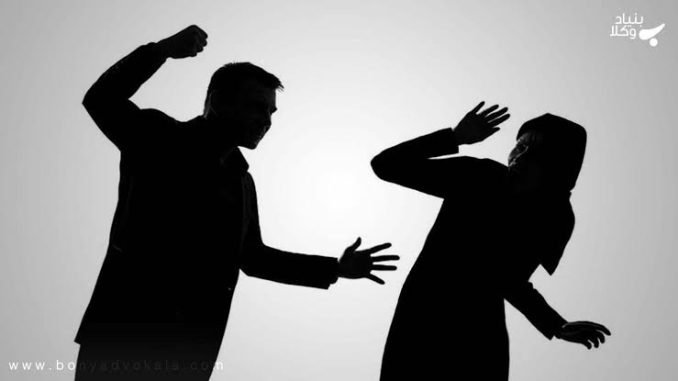
When people hear the term domestic violence, they often think only of physical abuse. However, domestic violence is far more complex than bruises or visible injuries. Emotional manipulation, humiliation, threats, financial control, social isolation, and psychological intimidation are all forms of abuse that can leave deep and lasting scars.
In Iran, domestic violence remains one of the least discussed social issues. Many families prefer to keep personal problems behind closed doors, believing that family matters should never be shared with outsiders. Unfortunately, this culture of silence often allows abuse to continue for years without intervention.
One of the primary reasons domestic violence persists is the social pressure to preserve the appearance of a successful family. Many women grow up hearing phrases such as, “Marriage requires patience,” “A good wife endures hardship,” or “Family issues should stay inside the home.” While these sayings are often presented as wisdom, they can sometimes encourage women to tolerate unacceptable behavior rather than seek help.
Domestic violence is not limited to any particular social class. It affects wealthy and poor families alike, as well as educated and uneducated households. Successful careers, advanced degrees, and financial stability do not necessarily protect families from emotional or physical abuse.
Part of the problem lies in traditional ideas about authority within the family. Some men are raised to believe they should control major decisions and maintain unquestioned authority over their wives and children. In such environments, the line between leadership and domination becomes blurred.
At the same time, responsibility does not rest solely on men. Sometimes older generations unintentionally contribute to the continuation of abuse. Women who spent years enduring unhealthy relationships may advise younger women to do the same, believing that silence and sacrifice are necessary parts of marriage. As a result, harmful patterns are passed from one generation to the next.
Economic dependence is another major factor. Many women remain in abusive relationships because they fear financial insecurity or worry about the future of their children. The possibility of losing housing, income, or social support can make leaving an unhealthy environment seem impossible.
In recent years, public awareness has increased significantly. Social media, independent journalism, and community discussions have encouraged more women to speak openly about their experiences. Behaviors that were once considered “normal” are increasingly recognized as abusive and unacceptable.
Nevertheless, much work remains to be done. Domestic violence cannot be eliminated solely through legislation. Lasting change requires cultural transformation as well. Boys must be taught from an early age to respect women as equals. Girls must be encouraged to develop confidence, independence, and self-worth. Families must understand that preserving a harmful relationship should never come at the expense of safety and dignity.
No woman should be forced to choose between personal safety and family reputation. No child should grow up in an environment filled with fear, humiliation, or violence. Children who witness abuse often carry those experiences into adulthood, either as victims or as future abusers, continuing the cycle.
Iran is home to millions of talented, educated, and resilient women who contribute enormously to society. If the country hopes to build a healthier future, it must be willing to confront domestic violence openly and honestly.
Silence has never solved this problem. Silence only gives abuse the opportunity to survive behind closed doors.
It is time for families, schools, community leaders, and the media to work together in promoting a simple but powerful message: Respect is the foundation of every healthy family, and no form of violence should ever be considered normal.
Domestic violence is not merely a women’s issue. It is a social issue that affects entire communities. Every effort to raise awareness, educate future generations, and support victims is a step toward building a stronger, healthier, and more compassionate society.
Only when society chooses to replace silence with understanding and action can the cycle of violence finally begin to break.