

From Abadan to America: A Journey of Hope
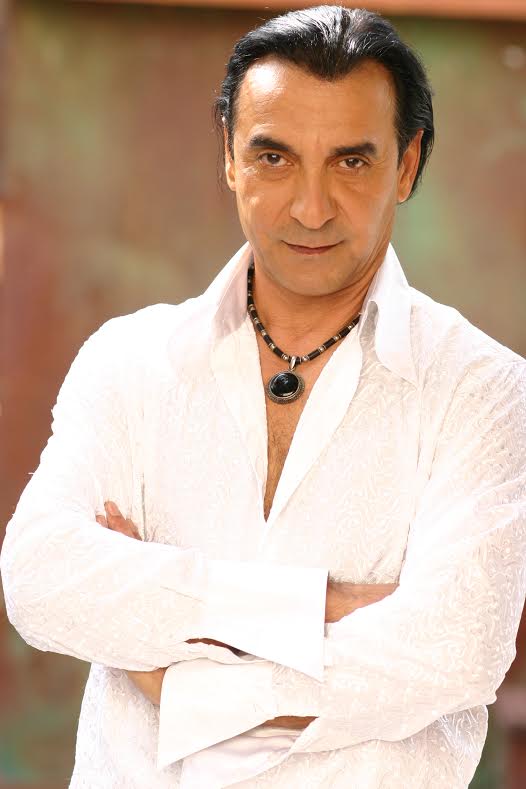
When the wind rustled through the palm trees of Abadan, no one could have guessed that a young man from that very soil would one day shake the foundations of Persian pop music. Faramarz Assef Nakhai, known artistically as Faramarz Assef, was born in Abadan, a city surrounded by oil fields, industry, and a culture deeply tied to the southern shores of Iran. Growing up there gave him both resilience and an understanding of life’s struggles—a strength he would later bring into both athletics and art.
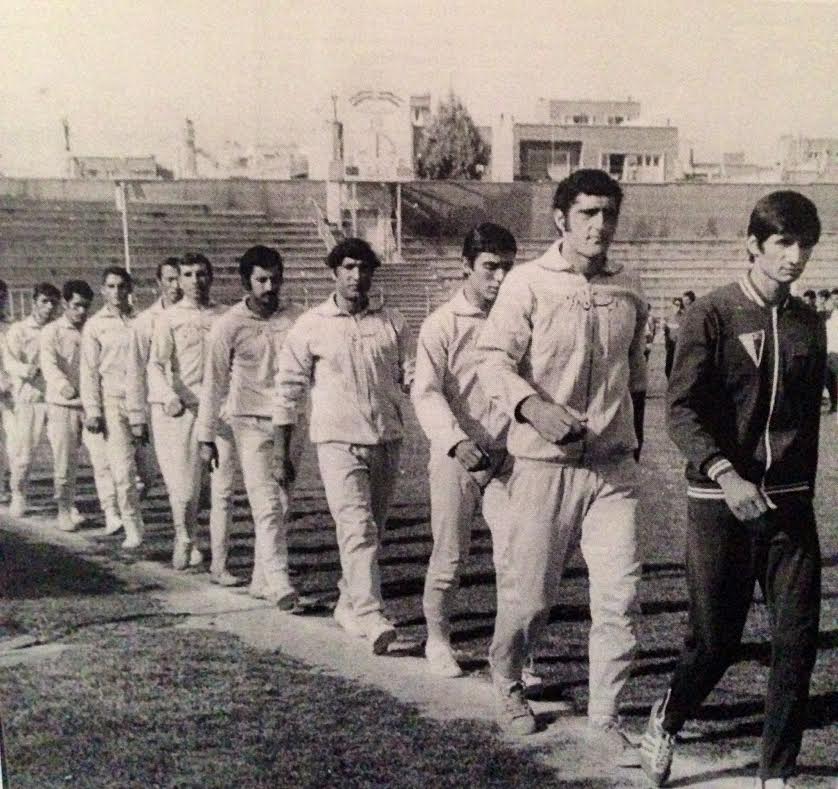
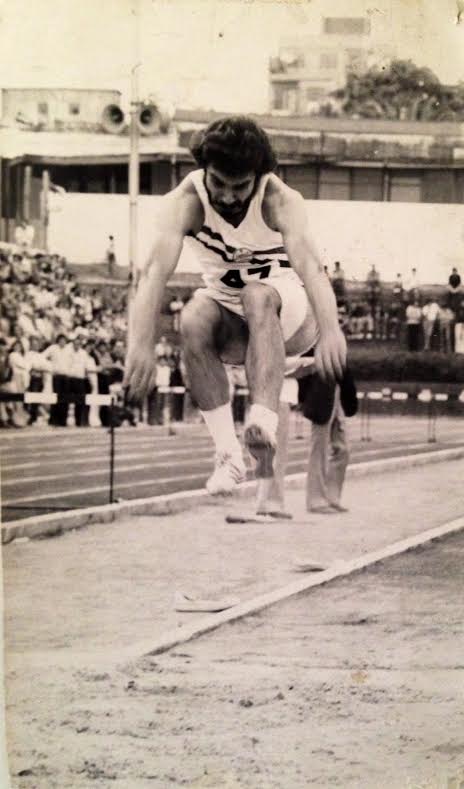
In his youth, Assef pursued athletics and quickly made a name for himself in track and field, particularly in the triple jump. He represented Iran at the 1974 Asian Games in Tehran, where he won the bronze medal and set a national record of 16.08 meters in triple jump—a record that stood for decades. His discipline, training, and determination were evident, but life had much more in store for him.

After his athletic successes, he received a scholarship to study at the University of Southern California (USC) in the United States, where he majored in architecture. Yet amid blueprints, classrooms, and stadiums, another voice within him grew louder: the voice of music. Architecture gave him structure, athletics gave him resilience, but music gave him a soul.
Entering the World of Music: The Magic of Sound
By the 1980s, after settling in Los Angeles, Assef fully embraced his musical calling. This was a decade when the Iranian diaspora was rapidly expanding, especially in Southern California, after the Revolution of 1979. Music became both a bridge and a lifeline for displaced Iranians.
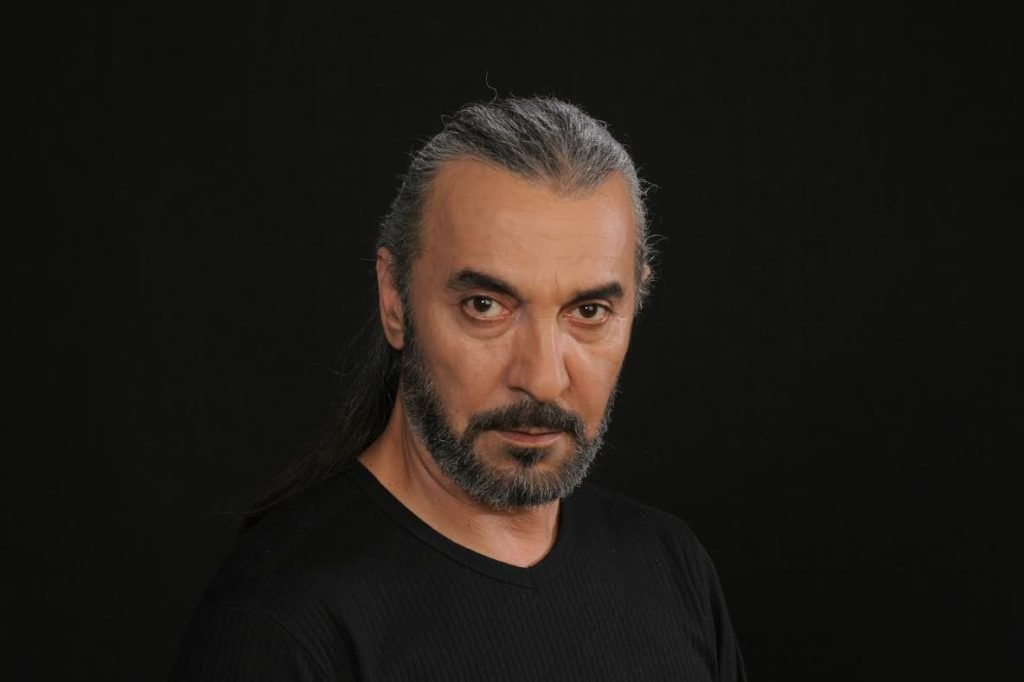
Assef launched a unique series of albums titled “Afra” (from Afra 1 through Afra 8) — a project that spanned many years and allowed him to weave his evolving artistry into chapters of sound. Each album had its own texture, theme, and emotional weight.
Among his most notable works was the song “Haji”, which became a turning point in his career. With a catchy melody, rhythmic charm, and lyrics that struck a chord across the diaspora, Haji made him widely recognized. Another standout was “Vay Vay”, an energetic anthem that quickly found its place at Iranian gatherings, weddings, and community celebrations. These songs are not just entertainment; they embody the energy, nostalgia, and longing of a generation torn between home and exile.
Songs of Emotion and Identity
What makes Faramarz Assef stand out among his contemporaries is his ability to turn personal and collective emotions into living soundscapes. His voice doesn’t merely sing—it feels.
“Haji” is perhaps the clearest example of his gift. On the surface, it’s a lively, almost playful song. Yet hidden within its rhythm is an aching familiarity, a yearning that any Iranian abroad can recognize. That bittersweet quality—the ability to laugh while carrying a wound—is the very essence of the diaspora experience.
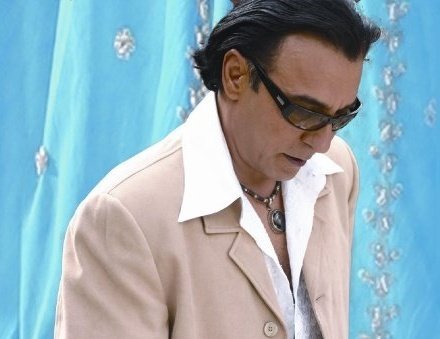
“Vay Vay,” by contrast, is a song of raw energy. It bursts into parties with unstoppable rhythm, yet behind its festive beat lies a cry, almost a lament, wrapped in joy. The contradiction is what makes it so powerful. Listeners move to it, but they also feel it—deep down.
Beyond these singles, the Afra albums hold a rich tapestry of stories. With titles such as Termeh & Yas, Jang o Solh (War and Peace), and Deja Vu, Assef captures themes of love, conflict, memory, and belonging. His music serves as both entertainment and preservation—a way to hold onto Iran through sound, even when far away from its soil.
Challenges of an Artist in Exile
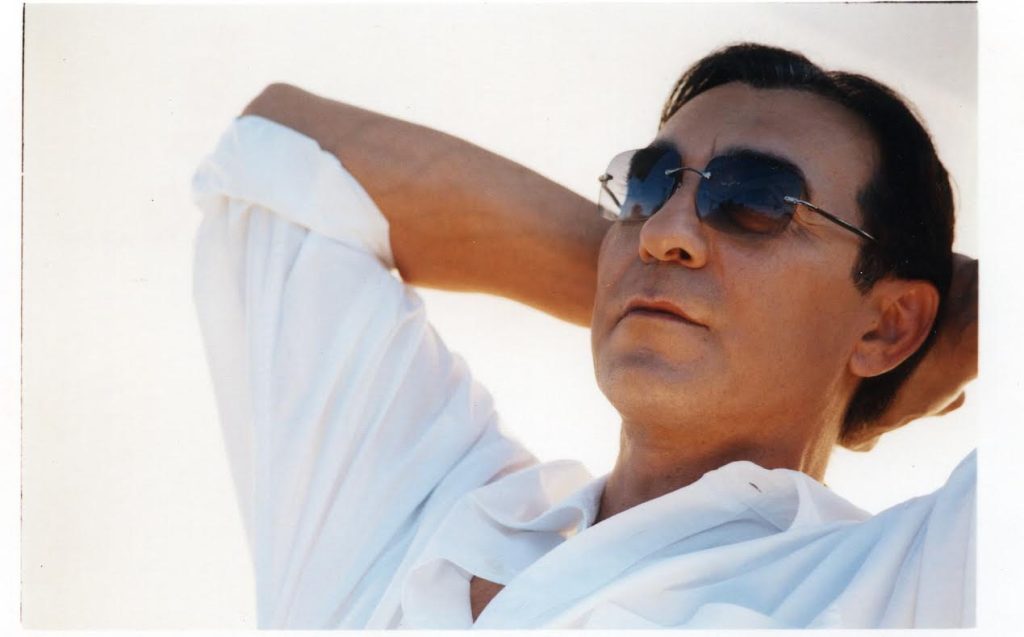
The path of an Iranian artist in exile has never been easy. For Assef, the challenge was not only to be heard but also to be understood. He carried the weight of being authentic to Persian culture while adapting to a new environment in America.
Unlike some artists who chased trends for quick success, Assef remained committed to a balance of tradition and modernity. He experimented with Western rhythms while keeping Persian poetry and melody at the heart of his work. His voice became a bridge—between past and present, between Iran and the wider world, between longing and belonging.
In doing so, he built a loyal audience that did not measure him by record sales or chart numbers, but by the emotional truth of his songs. For those listeners, Assef’s music was never just background noise—it was a companion in the long nights of migration, a reminder of roots, and a whisper of home.
A Life Beyond Music
Assef’s personal life also reflects his journey of love and continuity. In 2003, he married Yalda, and together they have two children: Rana and Ramin. His roles as husband and father grounded him even while his artistic life carried him across stages and studios.
His background in architecture and his achievements in athletics distinguish him from many other singers. These experiences gave him discipline, vision, and balance. But at the center of it all, music was his truest language.
Importantly, Assef often emphasized his commitment to Iranian identity. He never tried to erase his cultural roots for Western acceptance. Instead, he built a sound that preserved Iranian heritage while being accessible to global ears. This duality is what gives his music its timeless quality: it belongs everywhere, yet it is unmistakably Iranian.
Why Faramarz Assef’s Voice Endures
Even today, when one plays “Haji” or “Vay Vay,” something remarkable happens. The body begins to move almost instinctively, and the heart tightens with memory. His music is both joy and ache—an eternal reminder of what it means to be Iranian outside Iran.
There are four key reasons why his work continues to resonate:
Authenticity – His lyrics are not empty words; they are lived experiences. Each line feels drawn from personal memory, making his music relatable and real.
The Bridge Between Two Worlds – Assef embodies both Iranian tradition and global influence. His sound resonates equally with older generations who remember Iran before 1979 and younger generations born abroad.
Persistence – He has released eight Afra albums, along with singles that continue to circulate in Iranian media and gatherings. His dedication to music has kept his presence alive, even when commercial recognition has shifted elsewhere.
Emotional Honesty – Above all, his voice carries truth. Listeners trust it because it speaks to the reality of exile, love, loss, and hope.
Conclusion: A Voice Between Memory and Exile
Faramarz Assef is more than a singer. He is a storyteller of longing, a messenger of joy mixed with sorrow, and a keeper of Iranian memory. His journey—from the palm groves of Abadan to the Olympic stadiums, from the architecture classrooms of USC to the recording studios of Los Angeles—shows the resilience of a man who carried his homeland within him, wherever he went.
In his songs, one can hear both the nostalgia of old Iran and the possibility of new worlds. He sings not only for himself, but for millions who left home yet kept Iran in their hearts.
To listen to Faramarz Assef is to step into the emotional landscape of exile—where laughter and tears share the same breath, where parties echo with both music and memory, and where a people far from home find themselves again through song.
And so, his voice lives on: not just as melody, but as a bridge of belonging.