
By Shahbod Noori
3/20/2026
Passover is one of the most important and ancient holidays in Judaism. More than just a religious observance, it is a living narrative of liberation, resilience, and identity. This holiday commemorates the Exodus of the Israelites from Egypt and the end of their slavery—a story that has remained alive in Jewish memory for thousands of years.
In 2026, Passover begins at sunset on Wednesday, April 1 and ends on the evening of Thursday, April 9.
Historical Roots of Passover
To truly understand Passover, we must go back thousands of years, to a time when the Israelites were enslaved in ancient Egypt. According to the Torah, God chose Moses to lead his people out of bondage.
After a series of plagues—known as the Ten Plagues—the final plague struck: the death of the Egyptian firstborns. The Israelites were instructed to mark their doorposts with the blood of a lamb so that the angel of death would “pass over” their homes. This act is the origin of the name “Passover.”
This moment marked the beginning of freedom for the Jewish people and their journey toward the Promised Land—a powerful symbol of resistance against oppression.
The Meaning and Philosophy of Passover
Passover is not just about history; it carries a profound message:
Freedom from oppression
Preservation of cultural and religious identity
Remembering past suffering to build a better future
Each year, participants are encouraged to see themselves as if they personally experienced the Exodus. It becomes not just a story, but a shared human experience.
The Central Ritual: The Seder Night
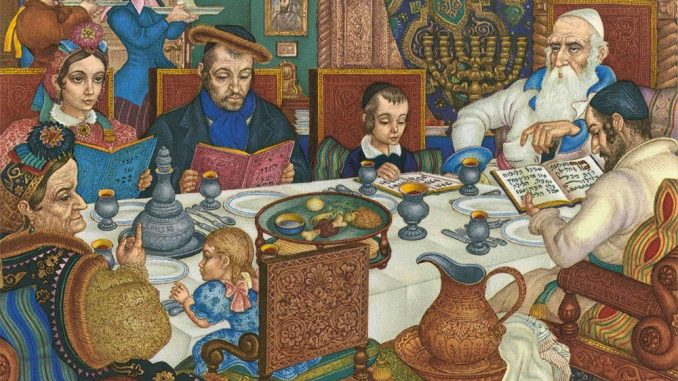
The most important part of Passover is the Seder, held on the first night (and in some communities, the first two nights). The word “Seder” means “order,” reflecting the structured sequence of rituals described in a book called the Haggadah.
During the Seder, symbolic foods are placed on the table:
Matzah (unleavened bread): symbolizes the haste of leaving Egypt
Maror (bitter herbs): represents the bitterness of slavery
Charoset (sweet mixture): resembles the mortar used by slaves
Egg: symbolizes the cycle of life
Shank bone: represents the Passover sacrifice
Participants retell the story of the Exodus, sing traditional songs, and drink four cups of wine, each representing a divine promise.
Laws and Customs of Passover
One of the central practices of Passover is the complete avoidance of leavened products (chametz)—foods made with yeast.
As a result:
Homes are thoroughly cleaned
Special dishes and utensils are used
Meals are simpler and symbolic
These practices represent both physical and spiritual purification.
Passover in the Modern World
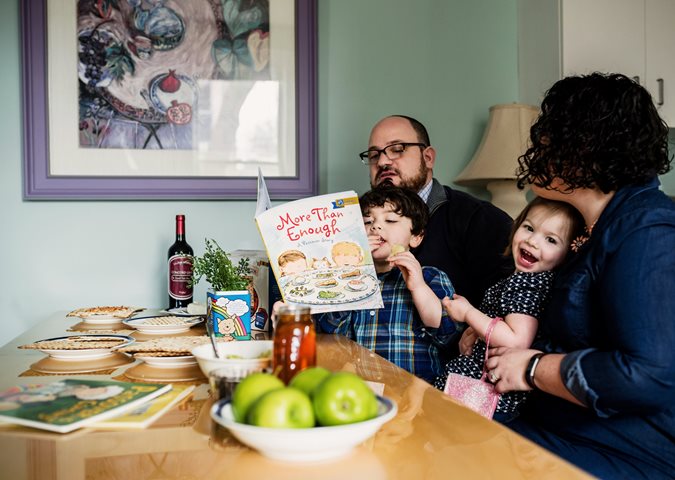
Today, Passover remains deeply significant, even as traditions adapt to modern life. Many families strive to preserve ancient customs, while others blend them with contemporary practices.
In countries like the United States, Passover has become an opportunity for family gatherings, reconnecting with heritage, and strengthening identity. Even among secular Jews, it remains an important cultural event.
The Universal Message of Passover
One reason for Passover’s lasting relevance is its universal message. The story of liberation from slavery resonates across cultures and generations.
It reminds us that:
No oppression lasts forever, and freedom—though delayed—will come.
This message becomes especially powerful during times of conflict and uncertainty.
Conclusion
Passover is more than a religious holiday—it is a bridge between past and present, between suffering and hope, and between humanity and freedom.
From April 1 to April 9, 2026, millions of people around the world will gather once again to tell this story, light candles, and pass on a legacy that has endured for thousands of years.
It is a reminder that freedom is precious—and always worth striving for.
پاسوور ۲۰۲۶؛ جشنی میان ایمان، تاریخ و هویت یهودی


پاسوور یا «عید فصح» یکی از مهمترین و کهنترین اعیاد مذهبی در آیین یهود است؛ جشنی که نهتنها یک مراسم دینی، بلکه روایت زندهای از رهایی، مقاومت و هویت یک ملت به شمار میرود. این عید هر ساله یادآور خروج بنیاسرائیل از مصر و پایان دوران بردگی آنان است؛ داستانی که هزاران سال است در ذهن و قلب یهودیان زنده مانده و نسل به نسل منتقل شده است.
در سال ۲۰۲۶، عید پاسوور از غروب روز چهارشنبه ۱ آوریل (April 1, 2026) آغاز میشود و تا شب پنجشنبه ۹ آوریل (April 9, 2026) ادامه دارد.
ریشههای تاریخی پاسوور
برای درک عمیق پاسوور، باید به هزاران سال پیش بازگردیم؛ به زمانی که قوم بنیاسرائیل در مصر باستان به بردگی گرفته شده بودند. طبق روایتهای مذهبی در تورات، خداوند حضرت موسی را مأمور کرد تا قوم خود را از این اسارت نجات دهد.
پس از مجموعهای از بلاها (که به «ده بلای مصر» معروفاند)، آخرین بلا مرگ نخستزادگان مصری بود. در این میان، به بنیاسرائیل دستور داده شد که خون برهای را بر در خانههای خود بزنند تا فرشته مرگ از خانههای آنان «عبور کند» — و همین واژه «عبور کردن» یا Pass Over، نام این عید را شکل داد.
این رویداد، نقطه آغاز آزادی قوم یهود از بردگی و حرکت به سوی سرزمین موعود شد؛ مفهومی که در طول تاریخ به نمادی از مبارزه با ظلم و رسیدن به آزادی تبدیل شده است.
فلسفه و مفهوم پاسوور
پاسوور فقط یک جشن تاریخی نیست؛ بلکه پیامی عمیق در خود دارد:
آزادی از ظلم
حفظ هویت فرهنگی و دینی
یادآوری رنجهای گذشته برای ساختن آیندهای بهتر
در هر دورهای، یهودیان این داستان را نهتنها به عنوان یک روایت تاریخی، بلکه به عنوان تجربهای شخصی بازگو میکنند. در واقع، هر فرد باید خود را گویی در آن زمان و در مسیر آزادی تصور کند.
مراسم اصلی: شب سدر (Seder)


مهمترین بخش پاسوور، مراسمی به نام سِدر (Seder) است که در شب اول (و در برخی جوامع، دو شب اول) برگزار میشود. «سدر» به معنای «نظم» است و این مراسم دارای ترتیب خاص و دقیقی است که در کتابی به نام «هاگادا» شرح داده شده است.
در این مراسم، غذاها و نمادهای خاصی بر سر سفره قرار میگیرند که هر کدام معنای خاصی دارند:
ماتزا (نان فطیر): نماد عجله در ترک مصر (بدون فرصت برای ور آمدن خمیر)
مارور (سبزی تلخ): یادآور تلخی بردگی
چاروسِت (مخلوط شیرین): نماد ملات آجرهایی که بردگان میساختند
تخممرغ: نشانه چرخه زندگی
استخوان بره: یادآور قربانی پاسوور
در طول مراسم، داستان خروج از مصر روایت میشود، سرودها خوانده میشوند و شرکتکنندگان چهار جام شراب مینوشند که هر یک نماد وعدهای الهی است.
قوانین و آداب پاسوور
یکی از مهمترین ویژگیهای این عید، پرهیز کامل از خوردن خمیرمایه (خمِتز) است. این شامل هر نوع نان یا غذایی است که با مخمر تهیه شده باشد.
به همین دلیل:
خانهها بهطور کامل تمیز میشوند
ظروف جداگانه مخصوص پاسوور استفاده میشود
غذاهای ویژه و سادهتری تهیه میگردد
این سختگیریها، نمادی از پاکسازی روح و بازگشت به سادگی و اصالت است.
پاسوور در دنیای امروز
در دنیای مدرن، پاسوور همچنان جایگاه ویژهای دارد، اما شکل برگزاری آن در برخی جوامع تغییر کرده است. بسیاری از خانوادهها تلاش میکنند سنتها را حفظ کنند، در حالی که برخی دیگر آن را با سبک زندگی امروزی ترکیب میکنند.
در کشورهای مختلف، از جمله ایالات متحده، پاسوور به فرصتی برای گردهمایی خانوادهها، بازگشت به ریشهها و تقویت هویت تبدیل شده است. حتی در میان یهودیان سکولار، این عید بهعنوان نمادی فرهنگی همچنان اهمیت دارد.
پاسوور و پیام جهانی آن
یکی از دلایل ماندگاری این عید، پیام جهانی آن است. داستان خروج از بردگی، چیزی است که بسیاری از ملتها و فرهنگها میتوانند با آن ارتباط برقرار کنند.
پاسوور یادآور این حقیقت است که:
هیچ ظلمی ابدی نیست و آزادی، هرچند دیر، اما فرا میرسد.
این پیام، بهویژه در دورانهای بحران و جنگ، معنایی عمیقتر پیدا میکند.
جمعبندی
پاسوور تنها یک عید مذهبی نیست؛ بلکه پلی است میان گذشته و حال، میان رنج و امید، و میان انسان و آزادی. در سال ۲۰۲۶ نیز، همانند هزاران سال گذشته، میلیونها نفر در سراسر جهان گرد هم خواهند آمد تا این داستان را زنده نگه دارند.
از غروب ۱ آوریل ۲۰۲۶ تا شب ۹ آوریل ۲۰۲۶، شمعها روشن میشوند، داستانها روایت میشوند و نسلها بار دیگر یاد میگیرند که آزادی، گوهری است که باید برای آن ایستاد.