
By: Shahbod Noori
Breaking News
3/30/2026
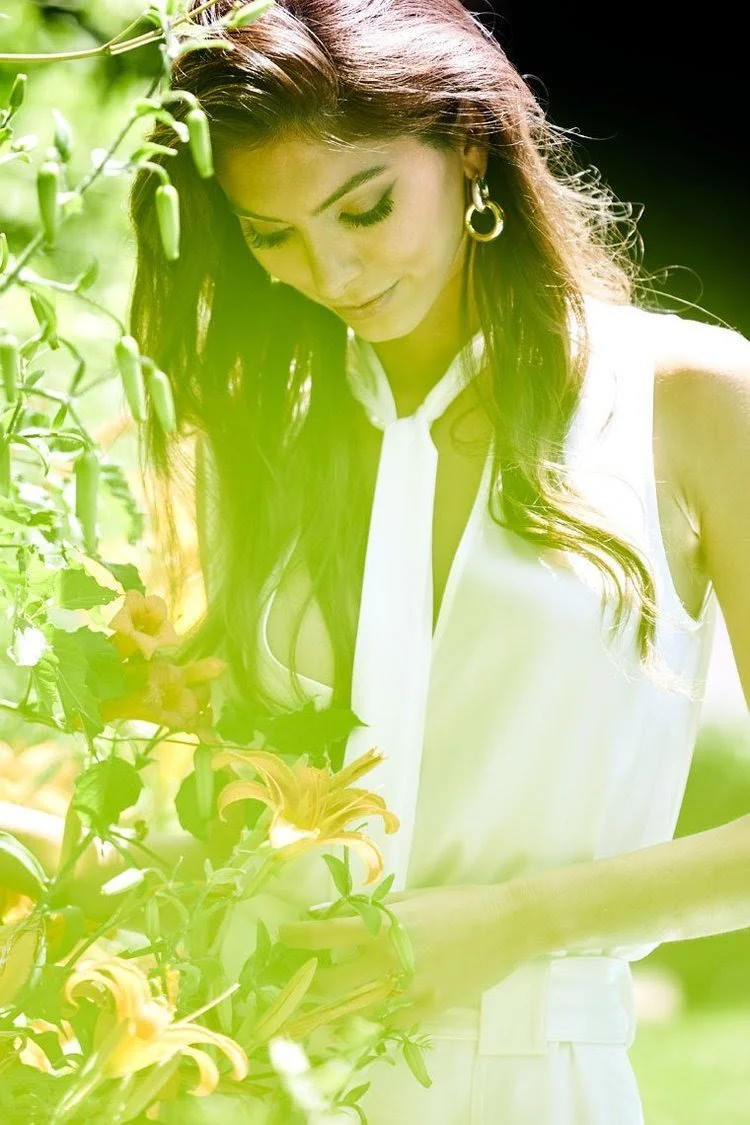
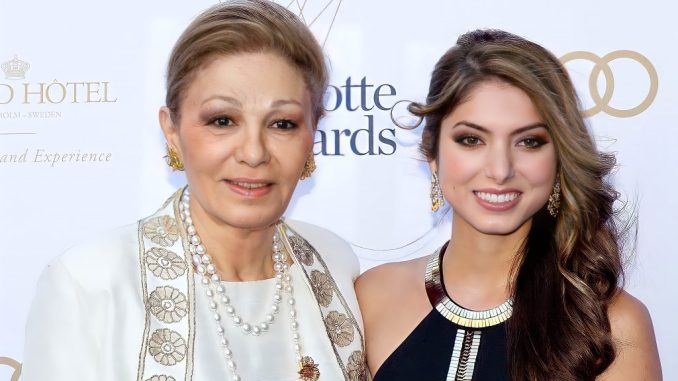
On April 3, many Iranians around the world mark the birthday of a young and increasingly influential figure of the Pahlavi family: Princess Noor Pahlavi, the eldest daughter of Reza Pahlavi. In recent years, she has emerged as a recognizable voice of a new generation of Iranians in exile—one that did not experience pre-revolutionary Iran firsthand, yet carries a deep emotional and cultural connection to it.
Born in Exile, Rooted in Identity
Princess Noor Pahlavi was born in 1992 in the United States, part of a generation raised far from Iran but closely tied to its history through family, culture, and community. Growing up in a Western environment, she was educated in finance and built a professional career in the investment sector.
Yet beyond her professional achievements, what has drawn increasing attention is her gradual entry into social and political spaces—particularly in response to major developments inside Iran.
From a Private Life to Public Presence
For many years, younger members of the Pahlavi family maintained a largely private or symbolic presence. That began to shift as waves of protests intensified across Iran, especially in recent years.
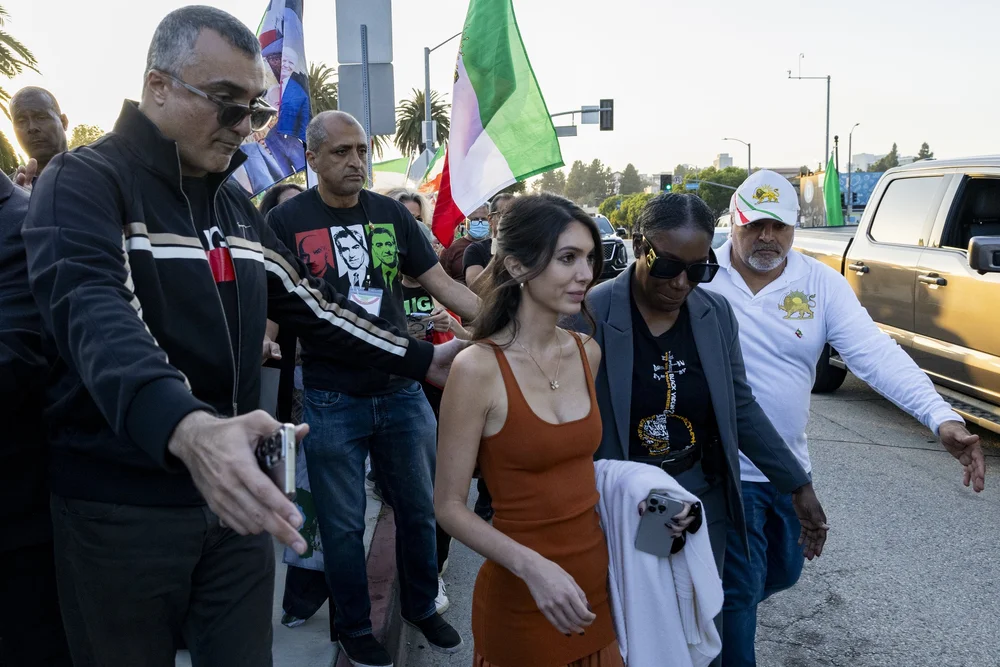
Princess Noor stepped into a more visible role, attending rallies and gatherings of Iranians in cities such as Los Angeles, Washington, D.C., and New York. Standing among demonstrators, often seen with the historic lion-and-sun flag, she became part of a visual narrative that quickly spread across social media.
For many observers, her presence represented something more than symbolism—it suggested continuity, a bridge between generations engaged in the ongoing struggle for Iran’s future.
A Voice for Iranian Women
One of the defining aspects of Noor Pahlavi’s public engagement has been her support for women’s rights in Iran. During protests shaped by the شعار “Woman, Life, Freedom,” she consistently highlighted the courage of Iranian women confronting systemic restrictions and risks.
Through statements and appearances, she has emphasized dignity, freedom of choice, and human rights—positioning herself not just as a political figure, but as a voice of solidarity and empathy.
Media Presence and Public Diplomacy
Fluent in English and comfortable within Western media spaces, Noor Pahlavi has participated in interviews and public discussions, helping communicate the perspectives of many Iranians to international audiences.
At a time when global narratives about Iran are often dominated by geopolitical tensions, figures like her contribute to a broader story—one that centers on people, aspirations, and the desire for change.
Criticism and Challenges
Her rising visibility has not been without criticism. Some argue that her role remains largely symbolic, with limited direct political impact. Others view her through the lens of her family’s historical legacy, which continues to shape public opinion in complex ways.
At the same time, her supporters believe that in a fragmented opposition landscape, any effort to unify voices, raise awareness, and maintain international attention is valuable—especially when it comes from a younger generation capable of engaging globally.
A Bridge Between Past and Future
Perhaps Noor Pahlavi’s most significant role is not as a traditional political leader, but as a connector—linking a past that still lives vividly in the memory of many Iranians, with a future that remains uncertain.
She represents a generation that neither experienced the monarchy nor life inside the Islamic Republic, yet feels a strong sense of responsibility toward Iran’s destiny.
A Birthday That Symbolizes Hope
April 3 is more than just a birthday. For many, it serves as a symbolic reminder of continuity—of identity preserved across borders, and of the ongoing hope for a better future.
In a world where politics often feels distant or disillusioning, the presence of figures like Noor Pahlavi—despite limitations and debates—can still inspire a sense of possibility.
The Road Ahead
Like Iran itself, Noor Pahlavi’s future path remains open. Will she take on a more defined political role? Will she become a central figure within the opposition? Or will she continue primarily as a social and cultural voice?
The answers depend on unfolding events. What is already clear, however, is that she is no longer simply a name associated with history—she is now part of an active and evolving conversation about Iran’s future.
In the end, Princess Noor Pahlavi may be best understood not only as an individual, but as a symbol—of a generation shaped abroad, yet emotionally tied to Iran. A generation that wants to be seen, heard, and involved in shaping what comes next.
And perhaps that is the most powerful message of her birthday:
Iran’s story is still being written.
تولد شاهدخت نور پهلوی؛ صدای نسل تازهای از ایران در تبعید
در روز سوم آوریل، بسیاری از ایرانیان در داخل و خارج از کشور، تولد یکی از چهرههای جوان و تاثیرگذار خاندان پهلوی را گرامی میدارند؛ شاهدخت نور پهلوی، فرزند ارشد رضا پهلوی، که در سالهای اخیر به یکی از صداهای مهم نسل جدید ایرانیان در تبعید تبدیل شده است. او نه تنها وارث یک نام تاریخی است، بلکه نماینده نسلیست که در خارج از ایران رشد کرده اما قلبش همچنان برای سرزمین مادری میتپد.
تولد در تبعید، هویت در مبارزه
شاهدخت نور پهلوی در سال ۱۹۹۲ در آمریکا به دنیا آمد؛ نسلی که هرگز ایران پیش از انقلاب را ندیده، اما داستانهای آن را از زبان خانواده و جامعه شنیده است. او در محیطی رشد یافت که همزمان با فرهنگ غربی آشنا بود، اما پیوندش با تاریخ، زبان و هویت ایرانی حفظ شد.
تحصیلات او در رشتههای مالی و مدیریت، و فعالیت حرفهایاش در حوزه سرمایهگذاری، نشاندهنده توانمندیهای فردی اوست؛ اما چیزی که او را از بسیاری همنسلانش متمایز میکند، ورودش به عرصه اجتماعی و سیاسی در سالهای اخیر است—بهویژه پس از موج اعتراضات گسترده در ایران.
از سکوت تا حضور در صحنه
برای سالها، حضور اعضای جوان خاندان پهلوی بیشتر در سطح نمادین باقی مانده بود. اما با شدت گرفتن اعتراضات مردمی در ایران—بهویژه در سالهای اخیر—نور پهلوی تصمیم گرفت نقش فعالتری ایفا کند.
او با حضور در تجمعات ایرانیان در شهرهایی مانند لسآنجلس، واشنگتن و نیویورک، نه تنها در کنار مردم ایستاد، بلکه تلاش کرد صدای معترضان داخل ایران را به رسانههای بینالمللی منتقل کند. تصاویر او با پرچم شیر و خورشید، در میان جمعیت، بهسرعت در شبکههای اجتماعی دستبهدست شد.
این حضور، برای بسیاری از ایرانیان، نشانهای از ادامه یک مسیر تاریخی بود—مسیر پیوند میان نسل قدیم و نسل جدید در مبارزه برای آزادی.
صدایی برای زنان ایران
یکی از مهمترین ابعاد فعالیتهای نور پهلوی، تمرکز او بر حقوق زنان در ایران بوده است. در جریان اعتراضاتی که با شعار «زن، زندگی، آزادی» شکل گرفت، او بهطور مداوم در حمایت از زنان ایرانی سخن گفت.
او در پیامها و سخنرانیهای خود، به شجاعت زنانی اشاره کرده که در برابر سرکوب ایستادهاند و خواهان حق انتخاب، آزادی پوشش و کرامت انسانی هستند. این موضعگیریها، باعث شد بسیاری او را نه فقط یک چهره سیاسی، بلکه یک صدای انسانی و همدل بدانند.
نقش در رسانهها و دیپلماسی عمومی
نور پهلوی، با تسلط به زبان انگلیسی و آشنایی با فضای رسانهای غرب، توانسته در برخی برنامهها و گفتگوها، دیدگاههای خود را درباره ایران مطرح کند. او نماینده نسلیست که میتواند با جهان صحبت کند—نه فقط از موضع تاریخی، بلکه با زبان امروز.
در دورانی که تصویر ایران در رسانههای جهانی اغلب با بحران و تنش همراه است، حضور چهرههایی مانند او میتواند روایت دیگری را نیز ارائه دهد؛ روایتی از مردمی که خواهان تغییر، آزادی و آیندهای متفاوت هستند.
چالشها و انتقادها
البته مسیر نور پهلوی بدون چالش نبوده است. برخی منتقدان معتقدند که حضور او بیشتر نمادین است و تاثیر عملی محدودی دارد. دیگران نیز به دلیل پیشینه خانوادگیاش، با دیدی انتقادی به فعالیتهای او نگاه میکنند.
اما در مقابل، حامیانش باور دارند که در شرایطی که ایران فاقد یک صدای واحد در خارج از کشور است، هر تلاش برای ایجاد همبستگی و جلب توجه جهانی، ارزشمند است—بهویژه اگر از سوی نسلی باشد که میتواند با جهان ارتباط برقرار کند.
پلی میان گذشته و آینده
شاید مهمترین نقش نور پهلوی، نه در سیاست رسمی، بلکه در ایجاد یک پل باشد—میان گذشتهای که هنوز در حافظه جمعی ایرانیان زنده است، و آیندهای که هنوز شکل نگرفته.
او نماینده نسلیست که نه خاطره مستقیمی از ایران پیش از انقلاب دارد، نه تجربه زندگی در جمهوری اسلامی؛ اما با این حال، خود را مسئول سرنوشت آن کشور میداند.
این احساس مسئولیت، همان چیزیست که او را به صحنه آورده—نه به عنوان یک رهبر، بلکه به عنوان یک صدا.
تولدی که بهانهای برای امید است
سوم آوریل، تنها یک تاریخ تولد نیست. برای بسیاری، این روز نمادیست از ادامه یک مسیر—مسیر تلاش برای حفظ هویت، برای بازگشت به ریشهها، و برای ساختن آیندهای بهتر.
در جهانی که سیاست اغلب با بیاعتمادی همراه است، حضور چهرههایی مانند نور پهلوی—با تمام محدودیتها و چالشها—میتواند یادآور این باشد که هنوز امید زنده است.
آینده؛ مسیری باز اما نامشخص
آینده نور پهلوی، مانند آینده ایران، هنوز مشخص نیست. آیا او نقش سیاسی پررنگتری خواهد گرفت؟ آیا به یکی از چهرههای اصلی اپوزیسیون تبدیل خواهد شد؟ یا ترجیح خواهد داد در نقش یک فعال اجتماعی باقی بماند؟
پاسخ این سوالها، به تحولات آینده بستگی دارد. اما آنچه مسلم است، این است که او دیگر تنها یک نام نیست—بلکه بخشی از گفتوگوی بزرگتریست که درباره آینده ایران در جریان است.
در نهایت، شاید بتوان گفت که شاهدخت نور پهلوی، بیش از آنکه یک شخصیت سیاسی باشد، یک نماد است؛ نماد نسلی که در خارج از مرزها بزرگ شده، اما دلش در گرو ایران است. نسلی که میخواهد دیده شود، شنیده شود، و در ساختن آیندهای آزاد برای سرزمین مادریاش سهمی داشته باشد.
و شاید همین، مهمترین پیام تولد او باشد:
اینکه داستان ایران هنوز ادامه دارد.