
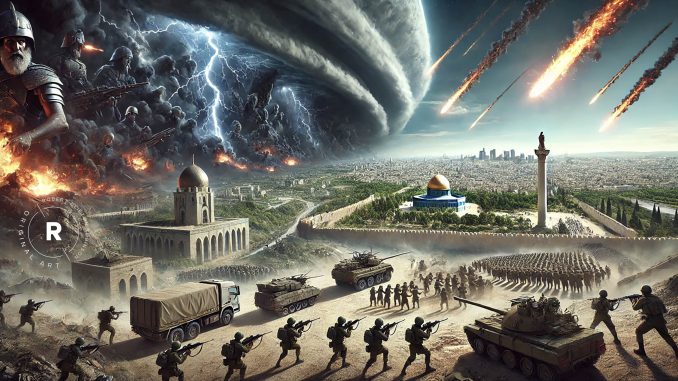
In recent years, the Middle East has repeatedly witnessed the same painful scene a moment when a ceasefire is announced, people flood into the streets, they celebrate, cry, embrace one another, and for a brief moment believe the nightmare might finally be over yet these moments rarely last and soon give way once again to smoke, destruction, and fear this cycle has played out in Lebanon, Palestine, and Syria time and time again
1
In Lebanon, every ceasefire between Israel and Hezbollah has brought temporary relief families return to their homes and streets fill with cautious joy but the deeper reality remains unchanged the presence of an armed force operating beyond full state control has prevented any lasting peace for many Lebanese, life has become a cycle of rebuilding followed by the constant fear of another war
2
In Palestine, especially in Gaza, the situation is even more fragile each time fighting between Israel and groups such as Hamas pauses, people take to the streets in celebration yet these celebrations often take place among ruins destroyed homes broken families and children whose futures have been buried beneath the debris the core issue remains unresolved as long as the military and ideological structures of conflict continue to exist, ceasefires remain only temporary pauses in a prolonged war
3
In Syria, the war has taken on a different form the country became a battlefield for multiple forces the government and its allies on one side, opposition groups and foreign actors on the other Israel has repeatedly carried out strikes to prevent the expansion of Iranian influence and the transfer of weapons to allied militias the result for ordinary Syrians has been years of displacement destruction and instability
4
The role of the Islamic Republic of Iran in this cycle of conflict cannot be ignored for years Iran has provided financial and military support to groups such as Hezbollah in Lebanon, Hamas in Gaza, the Houthis in Yemen, and other aligned forces across the region this network has expanded conflicts beyond national borders turning localized tensions into regional crises while these policies have been framed as resistance, their practical outcome has often been continued war and suffering for ordinary people
5
Across all these countries, one truth remains clear ordinary people are not seeking war they are its victims the people who celebrate in Beirut, Gaza, or Damascus when a ceasefire is announced are not celebrating victory they are celebrating survival they want normal lives jobs, security, education for their children, and nights without the sound of explosions yet their voices are repeatedly drowned out by weapons and extremist narratives
6
The people of Iran are also part of this story for over four decades they have borne the cost of the Islamic Republic’s regional policies while national resources were directed toward external conflicts, ordinary Iranians have faced economic hardship, repression, and social pressure recent protests have shown that a significant portion of Iranian society seeks change, stability, and a return to normalcy
7
In some of these protests, slogans in support of Reza Pahlavi and a return to pre Islamic Republic symbols have been heard reflecting a search among parts of society for an alternative political future however, no major country has officially recognized him as a legitimate representative of Iran’s future this highlights the gap between the aspirations of the people and the strategic calculations of global powers
8
Despite all these hardships, one reality stands out the people of this region, from Lebanon to Iran, are deeply peace seeking they are not driven by war nor do they wish to continue this cycle of violence what they seek is simple dignity, security, and a better future for their children yet as long as armed groups, external support networks, and geopolitical interests persist, peace will remain a temporary pause rather than a lasting reality
In the end, the true history of this region will not be written by those who perpetuate war, but by the people who rise from its ruins and continue to believe in peace the people of Iran stand among them a nation that despite immense pressure has not lost hope and it may be this very hope that becomes the foundation for a different future
از بیروت تا غزه؛ صلحی که مردم خواستند و جنگی که بازگشت
در سالهای اخیر، خاورمیانه بارها شاهد صحنهای تکراری بوده است صحنهای که در آن مردم پس از اعلام آتشبس به خیابانها میآیند، شادی میکنند، اشک میریزند و امیدی کوتاه به آینده پیدا میکنند اما این شادیها اغلب عمر کوتاهی دارند و دوباره جای خود را به دود و آتش میدهند این چرخه در لبنان، فلسطین و سوریه بارها تکرار شده و همچنان ادامه دارد
۱
در لبنان، هر بار که میان اسرائیل و حزبالله آتشبسی اعلام شده، مردم جنوب این کشور به خانههای خود بازگشتهاند و خیابانها پر از شادی شده است اما واقعیت تلخ این است که این بازگشتها همیشه موقت بودهاند حضور یک نیروی مسلح خارج از کنترل کامل دولت باعث شده هیچ صلحی پایدار نباشد مردم لبنان در این سالها بیشتر از آنکه طعم امنیت را بچشند، با اضطراب بازگشت جنگ زندگی کردهاند
۲
در فلسطین، بهویژه در غزه، وضعیت حتی پیچیدهتر است هر بار که جنگ میان اسرائیل و گروههایی مانند حماس متوقف شده، مردم به خیابانها آمدهاند و جشن گرفتهاند اما این جشنها اغلب روی ویرانهها برگزار شدهاند خانههایی که تخریب شده، خانوادههایی که از هم پاشیدهاند و کودکانی که آیندهشان زیر آوار مانده است مشکل اصلی اینجاست که ساختار نظامی و ایدئولوژیک درگیری همچنان پابرجاست و آتشبس تنها یک توقف کوتاه در میان یک جنگ طولانی است
۳
در سوریه، جنگ شکل دیگری به خود گرفته است این کشور به میدان رقابت نیروهای مختلف تبدیل شد از یک سو حکومت و متحدانش و از سوی دیگر مخالفان و بازیگران خارجی اسرائیل نیز برای جلوگیری از گسترش نفوذ ایران و انتقال سلاح، بارها به مواضع مرتبط با نیروهای وابسته به تهران حمله کرده است نتیجه این درگیریها برای مردم سوریه چیزی جز سالها آوارگی، ویرانی و بیثباتی نبوده است
۴
نقش جمهوری اسلامی در این چرخه جنگ را نمیتوان نادیده گرفت سالهاست که ایران از گروههایی مانند حزبالله در لبنان، حماس در غزه، حوثیها در یمن و دیگر نیروهای همسو در منطقه حمایت مالی و نظامی کرده است این شبکه باعث شده درگیریها از یک نقطه محدود فراتر برود و کل منطقه را درگیر کند در حالی که این سیاستها با عنوان مقاومت معرفی شدهاند، نتیجه عملی آن برای مردم منطقه اغلب چیزی جز ادامه جنگ و نابودی نبوده است
۵
در تمام این کشورها یک حقیقت مشترک وجود دارد مردم عادی جنگطلب نیستند آنها قربانی هستند مردمی که در بیروت، غزه یا دمشق به خیابان میآیند تا پایان جنگ را جشن بگیرند، در واقع برای زنده ماندن شادی میکنند آنها خواهان زندگی عادی هستند کار، امنیت، مدرسه برای فرزندانشان و آرامشی که سالهاست از آنها گرفته شده است اما صدای این مردم بارها زیر صدای سلاح و شعارهای تندروانه گم شده است
۶
در این میان، مردم ایران نیز بخشی از همین داستان هستند مردمی که در چهار دهه گذشته هزینه سنگین سیاستهای منطقهای جمهوری اسلامی را پرداختهاند در حالی که منابع کشور صرف حمایت از گروههای خارجی شده، خود مردم ایران با مشکلات اقتصادی، سرکوب و فشارهای اجتماعی روبهرو بودهاند اعتراضات سالهای اخیر نشان داده که بخش بزرگی از جامعه ایران خواهان تغییر، ثبات و بازگشت به یک زندگی عادی است
۷
در برخی از این اعتراضات، شعارهایی در حمایت از رضا پهلوی و بازگشت به نمادهای پیش از جمهوری اسلامی شنیده شد این نشاندهنده جستجوی بخشی از جامعه برای یک آلترناتیو سیاسی است با این حال، تا امروز هیچ کشور مهمی او را به عنوان نماینده رسمی آینده ایران به رسمیت نشناخته است این موضوع نشان میدهد که فاصله میان خواست مردم و محاسبات سیاسی قدرتهای جهانی همچنان زیاد است
۸
با وجود همه این تلخیها، یک نکته روشن باقی میماند مردم این منطقه، از لبنان تا ایران، در عمق وجود خود صلحطلب هستند آنها نه به دنبال جنگاند و نه خواهان ادامه این چرخه خشونت آنچه میخواهند بسیار ساده است زندگی با کرامت، امنیت و آیندهای روشن برای فرزندانشان اما تا زمانی که گروههای مسلح، حمایتهای خارجی و بازیهای سیاسی ادامه داشته باشد، صلح در این منطقه بیشتر شبیه یک وقفه کوتاه خواهد بود تا یک واقعیت پایدار
در پایان باید گفت که تاریخ واقعی این منطقه نه توسط کسانی که جنگ را ادامه میدهند، بلکه توسط مردمی نوشته خواهد شد که بارها از دل ویرانی برخاستهاند و همچنان به صلح باور دارند مردم ایران نیز در همین مسیر قرار دارند مردمی که با وجود همه فشارها هنوز امید به آیندهای بهتر را از دست ندادهاند و شاید همین امید، مهمترین سرمایه برای تغییر سرنوشت این سرزمین باشد