
By Shahbod Noori
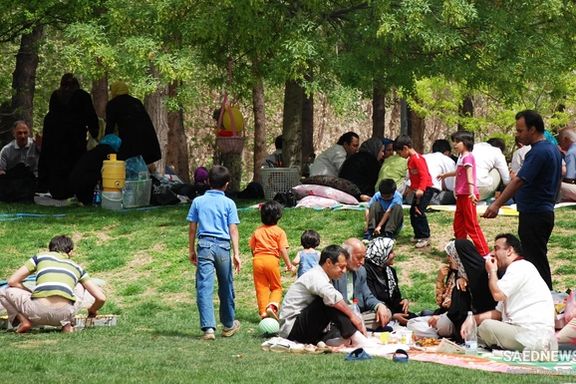
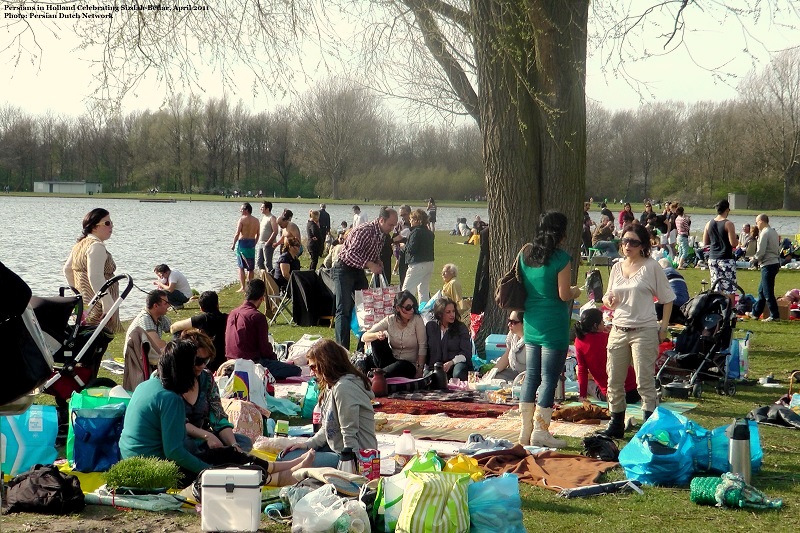
But Sizdah Bedar is far more than a picnic. It is a ritual rooted in ancient Persian philosophy—a celebration of life, balance, and the deep relationship between humans and the natural world.
Ancient Origins: A Tradition Beyond Time
To understand Sizdah Bedar, we must go back thousands of years to ancient Persia and the worldview shaped by Zoroastrian philosophy. In this tradition, nature was sacred. The elements—earth, water, air, and fire—were not just physical components, but divine forces that sustained life.
The first twelve days of Nowruz symbolized the twelve months of the year. The thirteenth day, therefore, represented a transition—a moment to leave the home and return to nature, completing the cycle of renewal.
Contrary to modern misconceptions, the number thirteen was not considered unlucky in ancient Iranian culture. Instead, it was a day of harmony, when people aligned themselves with the rhythms of the earth.
“Getting Rid of Thirteen”: Myth vs. Meaning
The phrase Sizdah Bedar is often misunderstood as “getting rid of thirteen,” implying that the day is about escaping bad luck. This idea, however, is largely influenced by non-Iranian beliefs.
In Persian tradition, “bedar” (بدر) more accurately conveys the idea of going out or heading outdoors. It is about leaving behind the closed, confined spaces of daily life and stepping into open, living nature.
It is not about fear—it is about freedom.
Rituals and Symbolism
Tying Knots in the Grass

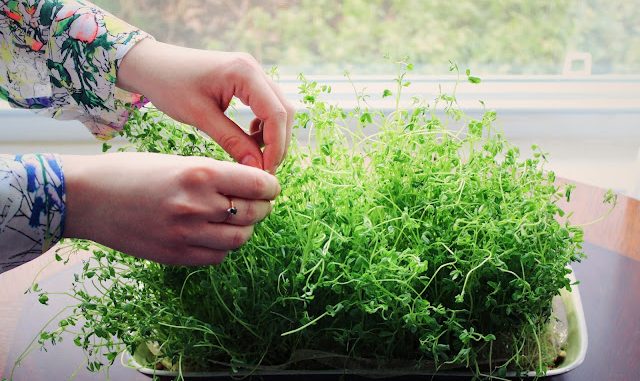
One of the most iconic traditions is tying knots in the green sprouts (sabzeh) that were grown for the Haft-Seen table.
Young people—especially women—tie the grass while making wishes, often for love, marriage, or happiness. The act symbolizes unity, hope, and the desire for a bright future.
Releasing the Sabzeh into Water
At the end of the day, families place their sabzeh into flowing water—rivers, streams, or even lakes.
This ritual represents letting go of negativity, illness, and bad energy from the past year. Water, as a symbol of purity and renewal, carries these burdens away.
Picnics and Togetherness
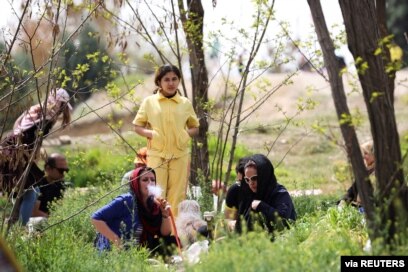
Sizdah Bedar is, above all, a day of gathering. Families and friends head to parks, mountains, and countryside areas. Food is shared, laughter fills the air, and for a few hours, life slows down.
It is a rare moment of collective joy—simple, authentic, and deeply human.
Traditional Games and Music
From old folk games to music and dancing, Sizdah Bedar has always been about celebration. These activities strengthen social bonds and revive a sense of community that modern life often weakens.
Sizdah Bedar in the Modern World
Even in today’s fast-paced, technology-driven world, Sizdah Bedar remains alive and vibrant.
Across the globe—from Los Angeles to Toronto, from London to Sydney—Iranians gather in parks and open spaces to honor this tradition. For many in the diaspora, this day carries even deeper meaning: it is a connection to identity, memory, and homeland.
In exile or at home, Sizdah Bedar says the same thing: you belong to this culture, this history, this earth.
A Deeper Message: Return to Balance
At its core, Sizdah Bedar carries a message that feels more relevant today than ever:
Human beings need nature.
In a world dominated by screens, stress, and isolation, this ancient tradition reminds us to step outside, breathe fresh air, and reconnect—not just with nature, but with ourselves.
It encourages us to:
Let go of negativity
Embrace simplicity
Rebuild human connections
Start again, with clarity and hope
An Emotional Reflection
For every Iranian, Sizdah Bedar is a shared memory.
The smell of fresh grass.
The sound of laughter.
The quiet moment of releasing the sabzeh into water.
These are not just traditions—they are pieces of identity.
And in difficult times, when uncertainty and hardship weigh heavily, Sizdah Bedar becomes something more: a quiet act of resistance, a declaration that life continues, that hope survives.
Spring always returns.
And so do we.
Conclusion
Sizdah Bedar is not just the end of Nowruz—it is the beginning of something deeper.
It is the celebration of life in its purest form.
A reminder that renewal is always possible.
And a timeless invitation to step outside, let go, and begin again.
سیزده بدر؛ جشن رهایی، آشتی با طبیعت و پایان باشکوه نوروز
در فرهنگ ایرانی، سیزده بدر صرفاً یک تفریح ساده نیست؛ بلکه آیینی است ریشهدار، با مفاهیمی عمیق که از هزاران سال پیش تا امروز، نسل به نسل منتقل شده و همچنان زنده و پویاست.
ریشههای تاریخی سیزده بدر
برای درک سیزده بدر، باید به ایران باستان و باورهای کهن ایرانی بازگردیم. در آیینهای زرتشتی، طبیعت جایگاهی مقدس داشت. عناصر چهارگانه — آب، باد، خاک و آتش — هرکدام نماد پاکی و زندگی بودند و انسان وظیفه داشت با احترام به آنها، تعادل جهان را حفظ کند.
عدد سیزده در فرهنگ ایرانی باستان، برخلاف برخی فرهنگهای دیگر، نحس تلقی نمیشد. بلکه باور بر این بود که پس از دوازده روز جشن نوروز (که نماد دوازده ماه سال بودند)، روز سیزدهم زمانی برای خروج از خانه و پیوستن به طبیعت است؛ گویی انسان باید به دامن زمین بازگردد تا چرخه زندگی کامل شود.
برخی پژوهشگران نیز معتقدند که سیزده بدر ادامهای از جشنهای «فروردگان» است؛ ایامی که در آن ایرانیان به یاد درگذشتگان خود بودند و با حضور در طبیعت، نوعی ارتباط معنوی با جهان دیگر برقرار میکردند.
چرا سیزده را به در میکنند؟
یکی از سوالات رایج این است: چرا «سیزده بدر»؟
در نگاه عامیانه امروز، برخی تصور میکنند که این روز برای دور کردن نحسی عدد سیزده است. اما این برداشت بیشتر تحت تأثیر فرهنگهای دیگر وارد شده و ریشه ایرانی ندارد.
در واقع، «به در کردن» در اینجا به معنای بیرون رفتن و رها شدن از فضای بسته است. یعنی انسان پس از دوازده روز جشن و دید و بازدید، باید به طبیعت بازگردد، نفس تازه کند و سال جدید را با انرژی مثبت آغاز کند.
این خروج از خانه، نمادی از پاکسازی روح و ذهن است؛ نوعی بازگشت به اصل زندگی.
آیینها و رسمهای سیزده بدر
سیزده بدر مجموعهای از آیینهای جذاب و نمادین است که هرکدام معنای خاص خود را دارند:
۱. گره زدن سبزه
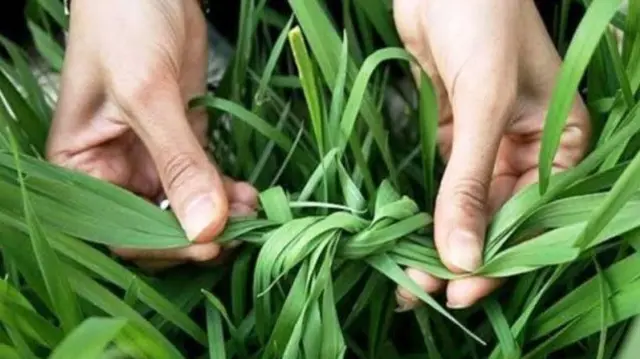
این کار نمادی از پیوند، امید و آرزوی شکلگیری آیندهای روشن است.
۲. رها کردن سبزه در آب
سبزهای که از ابتدای نوروز روی سفره هفتسین نگهداری شده، در این روز به آب سپرده میشود. این عمل، نمادی از رها کردن بدیها، بیماریها و انرژیهای منفی در جریان طبیعت است.
آب، در فرهنگ ایرانی، عنصر پاککننده و زندگیبخش است. با سپردن سبزه به آب، گویی انسان تمام ناخالصیهای خود را به طبیعت میسپارد.
۳. پیکنیک و دورهمی خانوادگی
سیزده بدر بدون جمع شدن در طبیعت معنایی ندارد. خانوادهها، دوستان و حتی همسایهها کنار هم جمع میشوند، غذا میخورند، بازی میکنند و میخندند.
این روز، روز شادی بیقید و شرط است؛ روزی که فاصلهها از بین میرود و انسانها دوباره به سادگی و صمیمیت بازمیگردند.
۴. بازیهای محلی و سنتی
از قدیم، بازیهایی مثل طنابکشی، الکدولک، وسطی و حتی شعرخوانی و موسیقی در این روز رایج بوده است. این بازیها نهتنها سرگرمکنندهاند، بلکه باعث تقویت روابط اجتماعی نیز میشوند.
سیزده بدر در دنیای امروز
با وجود تغییرات زندگی مدرن، سیزده بدر همچنان یکی از پرشورترین روزهای تقویم ایرانی است. حتی ایرانیان خارج از کشور نیز این سنت را زنده نگه داشتهاند.
در پارکها، ساحلها و طبیعت شهرهای مختلف دنیا، میتوان خانوادههای ایرانی را دید که با سفرههای ساده اما پر از عشق، این روز را جشن میگیرند.
برای بسیاری از ایرانیان مهاجر، سیزده بدر فقط یک جشن نیست؛ بلکه پلی است میان گذشته و حال، میان وطن و غربت.
سیزده بدر؛ فلسفهای فراتر از یک روز
اگر بخواهیم عمیقتر نگاه کنیم، سیزده بدر یک پیام مهم دارد:
زندگی در جریان است، و انسان باید با طبیعت هممسیر شود.
این روز به ما یادآوری میکند که:
باید از فضای بسته ذهن و زندگی خارج شویم
باید خود را از نگرانیها رها کنیم
باید دوباره به سادگی، شادی و طبیعت بازگردیم
در دنیایی که انسانها بیش از هر زمان دیگری درگیر استرس، تکنولوژی و فاصله از طبیعت هستند، سیزده بدر پیامی بسیار مدرن دارد:
بازگشت به اصل.
نگاه احساسی؛ سیزده بدر در دل ایرانیان
سیزده بدر، برای هر ایرانی، خاطرهای مشترک است. بوی سبزه، صدای خنده، غذاهای ساده در طبیعت، و لحظهای که سبزه را به آب میسپاریم—همه اینها بخشی از هویت ماست.
در شرایط سخت، در روزهایی که شاید دلها نگران باشد، این آیینها بیشتر از همیشه معنا پیدا میکنند. سیزده بدر به ما یادآوری میکند که حتی در تاریکترین روزها، بهار باز هم میآید.
و شاید همین امید است که این سنت را هزاران سال زنده نگه داشته.
جمعبندی
سیزده بدر، فراتر از یک رسم قدیمی، بخشی از روح ایرانی است. آیینی که از دل تاریخ آمده و همچنان در قلب مردم زنده است.
این روز، جشن رهایی است؛ رهایی از غم، از ترس، و از هر آنچه انسان را از زندگی دور میکند.
پس وقتی در روز سیزدهم فروردین به دل طبیعت میرویم، فقط یک پیکنیک ساده نیست—بلکه ادامه یک داستان چند هزار ساله است؛ داستانی از امید، زندگی و پیوندی جاودانه با زمین.